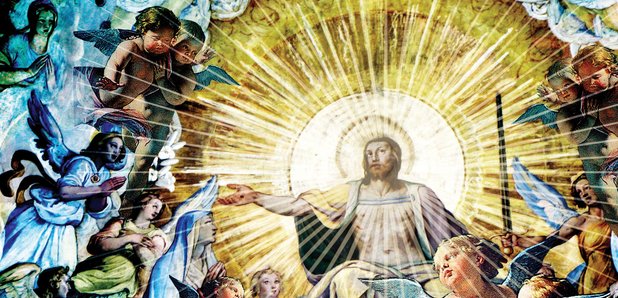
Teaser Image
astro-theology

Astro Theology

Astro-Theology
astro-theology

The Judeo-Christian Bible tells a wonderful story.
It is, in fact, often referred to as  “The Greatest Story Ever Told” (ever SOLD!)
And so it is! You are now about to find out why!

In the New Testament of Christian Bible, a provocative and most serious challenge is laid on the whole of Christianity. Since it bears directly on our subject, we will quote it:

“…if Christ be not risen, then our preaching is in vain, and your faith is also in vain. Yea, and we are found false witnesses of God. And if Christ be not raised, your faith is vain; ye are yet in your sins.” (I Cor 15:14, 15, & 17)

In the New Testament there is a warning given to all who would build a house. Namely, before you lay the foundation, find out what the foundation itself will rest on – solid rock, or sand? The reason is obvious … or said another way; “You need to stand under the foundation to get a true under-standing!

THE FOUNDATIONS

Let’s closely examine the original, conceptual foundations of the faith, and then decide “…if Christ be not risen. ” But in order to do that, we must go back, not 2.000 years to the birth of Christ, but 8 to 10,000 years to the birth of modern man. For when one seeks to establish foundations, one must begin at the beginning.

Many thousands of years ago in what we refer to as the the “primordial world” of the ancients, human life was a far different experience to that which we enjoy today. While it is true that we have less documentation on that prehistoric world than we have on our own age, ample enough is known from the ancient writings to paint a rather clear picture of our primitive ancestry. If we have learned anything at all, it is this: The more we change, the more we stay the same. And nowhere is this more clearly demonstrated than in the history of man’s quest for “God”, and the ancient religion we still keep holy today.

According to the best understanding we have gleaned from the available records, life for our ancient forefathers was a mixture of wonder and fear. Each day, just finding food for one’s family without becoming a meal yourself for the roaming predatory animals, was a life and death struggle. (If you have ever ventured out on a cold night with insufficient clothing, and without friend or family near, you could quickly see how fearful the dark, cold primordial nights could be) And then came winter!

It was from these meager, distressful conditions of the human race that our long history of the search for God and meaning has come. Any evolution, at it’s most accelerated rate, is always agonisingly slow. But from the beginning, man’s’ profound questions demanded answers. When no clear answers were forthcoming from the universe, man turned inward, and developed his own. Keep in mind that all the theological teachings of the Western World were developed in the Northern Hemisphere. The study of this subject is properly called
           – “Astro-Theology” or, “The Worship of the Heavens”.

ASTRO-THEOLOGY------

This is the first, original, and therefore the oldest, and most respected story on Earth! It did not take ancient man very long to decide that in this world the single greatest enemy to be feared was the darkness of night, and all the unknown dangers that came with it. Simply stated, man’s first enemy was darkness.

Understanding this one fact alone, people can readily see why the greatest and most trustworthy friend the human race could ever have was by far, heaven’s greatest gift to the world … that Glorious Rising Orb of Day: …

     the SUN

With this simple truth understood, we can now begin to unravel an ancient and wonderful story.  Today, as in all mankinds’ history, it has once again been told anew.

Modern-day Christianity has often belittled our ancient ancestors who are not here to defend themselves.   They falsely accuse that they were nothing more than ignorant worshippers of the sun. Therefore we can, with assurance, summarily dismiss thousands of years of human spirituality as ignominious myth, believed by well-meaning, but gullible primitives. Too much of this kind of spiritual arrogance and religious pride has continued without challenge. The time has come to set matters straight.

THE CHALLENGE------

First. no people of the ancient world believed the “Sun” to be “God”. That belongs in the “disinformation file”.

In point of fact, every Ancient culture and nation on Earth have all used the Sun as the most logically appropriate symbol to represent the Glory of the unseen Creator of the heavens. Here it is important to remember two points.

First, with the exception of Japan, the ancient world mythologies always understood the Sun to be masculine in qualities, and the moon feminine. Second, the English language is derived from the German. In the Germanic, the word ‘Sun‘ is spelled ‘Sonne’. The two words can (and have been) used interchangeably.

Old Testament:

“The heavens are declaring the Glory of God.” (PS.19: 1)

New Testament:

“Jesus is the Glory of God.” (2 Cor 4:6)

Old Testament:

“The SUN of Righteousness will arise with healings in His wings.” (Mal 4:2)

New Testament:

“God’s Son/Sun…he is risen!” (Matt 4:16)

Saying. “How, often I wanted to gather you under my wing. ”

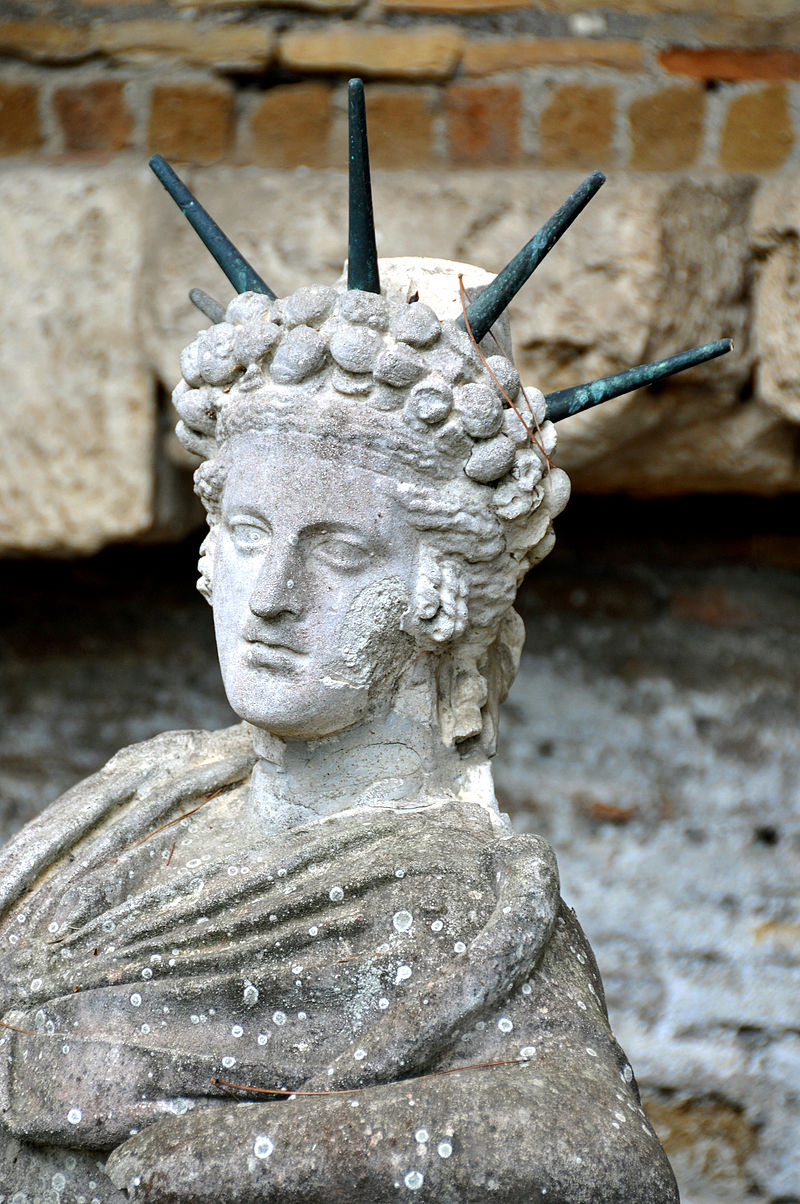
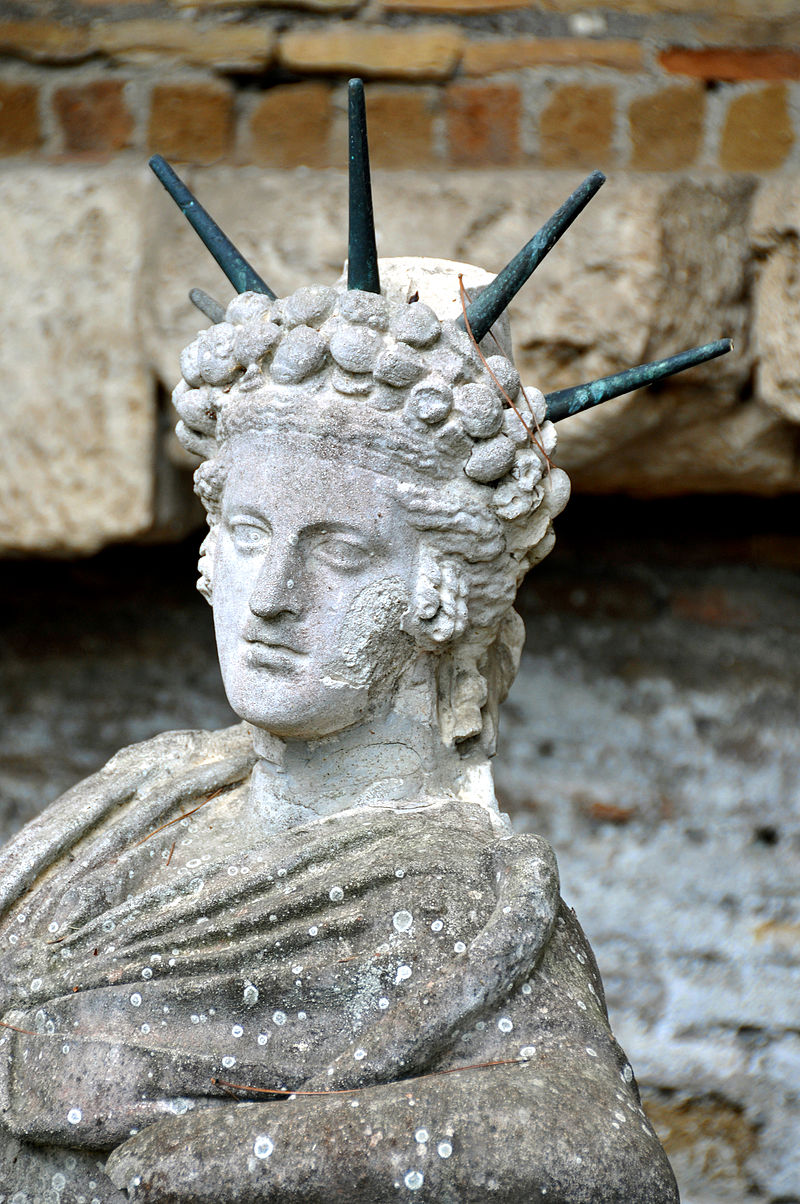
The Statue of Liberty…to this day, kings still wear a round “crown of thorns,” symbolising the rays of the Sun!

The “Ancient Story” went something like this….

1. The ancient peoples reasoned that no one on Earth could ever lay claim of ownership to the Great Orb of Day. It must belong to the unseen Creator of the Universe. It was, figuratively speaking, not man’s, but “GOD’S SUN”. Truly, “God’s Sun/Son was…

THE LIGHT OF THE WORLD.

2. As stated before, in the dark cold of night man realzed his utter vulnerability to the elements. Each night, mankind was forced to wait for the ” Risen Sun” to chase away the physical and mental insecurity brought on by the darkness. Therefore, the morning Sun focused man’s attention on heavenly dependents for his frail, short existence on Earth, and in doing so, it became the appropriate symbol of divine benevolence from heaven.

3. So just as small fire brought limited light into man’s own little world of darkness, likewise the “Great Fire of Day” served the whole Earth with its heavenly presence.  For this reason, it was said at Deut 4:24, and Heb 12:29 that the God of the Bible was a “Consuming Fire” in heaven. And so He is!

4. It was accepted by all that man was bound to a life on Earth, but the sky was God the Father’s abode – His dwelling place. Naturally, God’s Son/Sun would also reside with his Father ” up in HEAVEN”.

5. Ancient man saw in his male offspring his own image and likeness, and his own existence as a father was proved by the person of his son. It was assumed that God’s ‘Sun was but a visible representative of the unseen Creator in heaven. So it was said, “When you have seen the Sun, you have seen the Father “. or “The Father is glorified in his Sun”.

6. Ancient man had no problem understanding that all life on Earth depended directly on life-giving energy from the Sun. Consequently, all life was lost without the Sun. It followed that God’s ‘Sun’ was nothing less than “Our very Saviour”.  If you don’t think so, wait ’till it don’t come up!

7. Since life is energy, and energy from the Sun gave life, and we sustained our very existence by taking energy in from our food (which came directly from God’s Sun), the Sun must give up its life supporting energy so that we may continue to live.

“God’s Sun gives his life for us to live.”

8. While it was plainly true that our life came from and was sustained each day by “Our Savior… God’s Sun”, it was and would be true only as long as the Sun would return each morning. Our hope of salvation would be secure only in a “RISEN savior”. For if he did not rise from his grave of darkness, all would be lost. All the world waited patiently for His ‘imminent return”. The Divine Father would never leave us at the mercy of this world of darkness. His Heavenly promise concerning his Sun was surely that…”He would come again“…to light our path, and save those lost in the darkness … and He still does…every morning about 5:30 am.

9. Logically, even if man himself died, as long as the Sun comes up each day, life on Earth will continue forever. Therefore, it was said in the ancient texts that everlasting life was “the gift” that the Father gives through his Sun. For…”God so loved the world that he gave his only begotten SUN that we may have life everlasting”….on Earth!  Not for you personally – but ON EARTH… everlasting life!

10. Since evil and harm lurked at every turn in the fearful dark of night, all evil or harmful deeds were naturally, the…”works of darkness.

11. With the return of the Sun each morning, man felt more secure in his world and therefore, was at peace. Therefore, God’s ‘Sun’ was with his warm rays of life and hope…The Great “Prince of Peace“.

12. And of course the reverse was equally true. The dark evil of night was ruled by none other than…”Prince of Darkness“… The EVIL / DEVIL.

13. Our English words ‘Good’ and ‘God’ we get from the German word ‘Goth’ as in ‘Gothic’. Now we see God is Good, and Devil is Evil

14. It was only a short step to see “The Light of God’s Sun” equated with the light of truth – and evil equated with darkness. From then on, it was simple to understand…

      “LIGHT was GOOD – DARK was BAD.”

15. That being true, then the Great Orb of Day (God’s Sun) could rightly say of itself,

“I AM THE LIGHT OF THE WORLD, and no man comes to the Father except through me”, or one comes to God Only by the Light of Truth.

16. We should all “give thanks” to the Father for sending us His “Sun”. For the peace and tranquility he brings to our life is even called ‘Solace’ – from “Solar” = Sun.

17. We now have before us two (2) cosmic brothers – one very good, and one very evil. One brings the “truth to light” with the “light of truth”. The other is the opposite, or in opposition to the light – “The Opposer”…      Prince of this World of Darkness–     The “Devil”.

18. It is at this point that we come to Egypt. More than 3,000 years before Christianity began, the early morning “Sun/ Savior” was pictured in Egypt as the “New Born Babe”. The infant savior’s name was “HORUS”.

19. The early morning Sun or “New Born Babe”, was pictured in two ways.
A) The Dove – Bringer of Peace
B) The Hawk – God of War
(who punishes the enemies of God!).

20. At daybreak. this wonderful, newborn child, God’s ‘Sun’, is … ‘Born Again’ Horus is Risen. Even today, when the Sun comes up, we see it on the “Horus-Risen”, or “Horizon”. His life was also divided into 12 parts or steps across Heaven each day: 12 HORUS = 12 HOURS. This is the origin of the modern ” 12 Step Program”. Horus is the (new-born) Sun, or the Bringer of the Light. In Latin, Light Bringer is Lucis, or Lucifer, or Luke.

21. But now, what about the evil brother of God’s Sun, that old rascally “Prince of Darkness” himself? In the Egyptian, he was called “SET”. We are told in the Bible that when God’s Sun died, He left the world in the hands of the Evil Prince of Darkness. This evil prince took over the world at “SON-SET“.

22. It was generally observed that ‘God’s Sun’ could be depended upon to return in the same manner that he left, namely, “On a Cloud“”..and that “Every eye will see Him“” … Every evening, go out and watch the Sun leave this world “on a cloud”. And next morning, watch to see Him return on a cloud. And every eye will see him come again! … Unless you’re blind!

23. Keep in mind ‘God’s Sun’ symbolically represented the light of truth, but was condemned by His enemies who could not endure the light of truth in their life. The ancients taught that the very act of opposing or denying the light of truth to the point of killing it, happened in one’s own mind! When we are confronted with the harsh realities of life, the light of truth, which we do not wish to face, and which runs counter to our views, such truth is judged in your mind, or judged “in the temple area” of your brain, and put to death in your head !Therefore, ‘God’s Sun – The Truth and The Light – is put to death at “GOLGOTHA” , or “PLACE OF THE SKULL “, located somewhere between your ears! This putting to death of the light of truth in your mind is always accompanied by two thieves: Regret for the past and Fear of the future.

24. And of course God’s ‘Sun’ goes to His death wearing a “corona” – Latin for “Crown of Thorns” . Remember the Statue of Liberty? To this day, Kings still wear a round crown of thorns, symbolizing the rays of the Sun!

25. God’s ‘Sun’ brought His wonderful light to the world, and distributed it over 12 months. So it was said, God’s ‘Sun’ had 12 companions, or helpers, that assisted His life-saving work. So it was, God’s ‘Sun’ had 12 apostles (or months) that followed Him religiously through His life. Incidentally, now you know why the American jury system has 12 jurors who help bring the truth to light, with the “Light of Truth”.

26. As far back as we can go into the ancient world, we find that all known cultures had a “Three-in-one” Triune God. The very first trinity was simply the three stages of the life of the Sun.

   A) New Born Savior at dawn.

   B) Mature, full-grown (The Most High) at 12 (High) noon.

   C) Old and dying, at the end of day (going back to The Father).

All three were of course One Divinity – The Sun   three different phases, but one God!

The Trinity is truly a mystery…Like electricity, radio, TV, and jumbo-jets are all a mystery to the un-enlightened mind!

27. The Egyptians knew that the Sun was at its highest point in the sky (at high noon). At that point, one offered prayers to the “Most High” God! To the ancients, the sky was the abode, or heavenly temple, of the “Most High”. Therefore, God’s ‘Sun’ was doing His heavenly Father’s work of enlightening all in the temple at 12 …not 12 years old, but 12 noon!

28. The world of ancient man kept track of times and seasons by the movement of the Sun daily, monthly, and yearly. For this, the sundial and sun calendars were devised. Not only the daily movement of the Sun was tracked on the round dial, but also the whole year was charted on a round Sun calendar dial. Examples: Ancient Mexican, Mayan, Inca, Aztec, Sumerian, Babylonian, Assyrian, Egyptian, Celtic, Aryan, etc. With this method, certain new concepts emerged in the mind of ancient man.

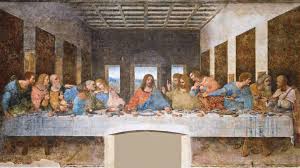
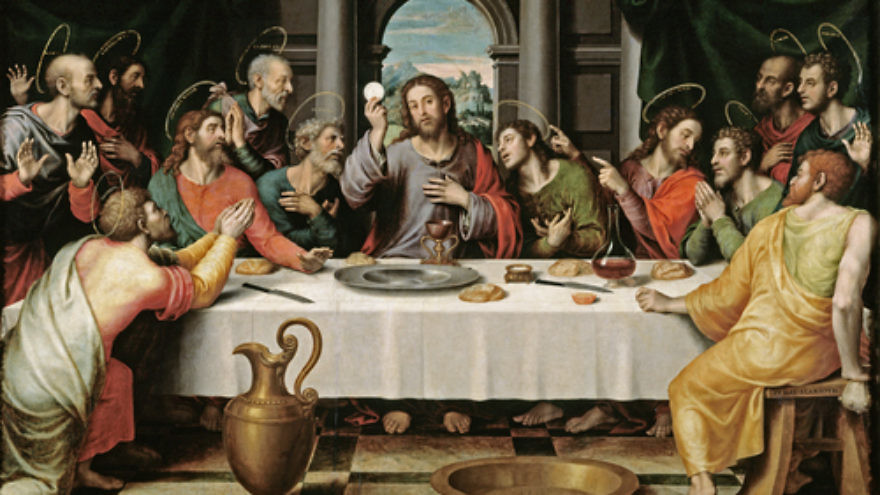
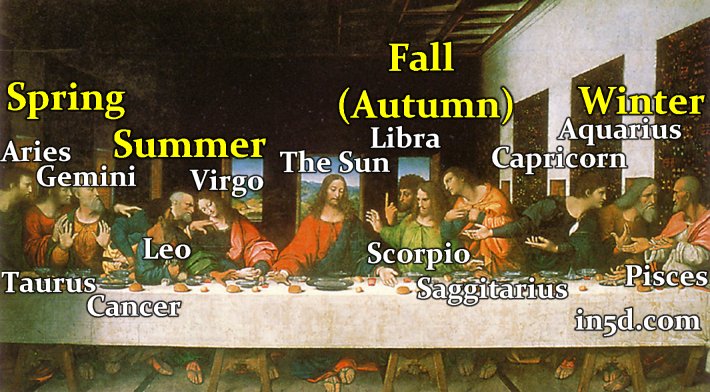
29. Since the Earth experienced 4 different seasons, all the same and equal (in time) each year, the round Sun calendar was divided into 4 equal parts. This is also why we have, in the Bible, only 4 Gospels. Of this point, there can be no doubt. The 4 Gospels represent the four 4 seasons which collectively tell the entire story of the life of God’s ‘Sun’. Matthew, Mark, Luke, John are Spring, Summer, Autumn and Winter. This is why the famous painting of “The Last Supper” pictures the 12 followers of the Sun in four groups (of three) … the seasons!

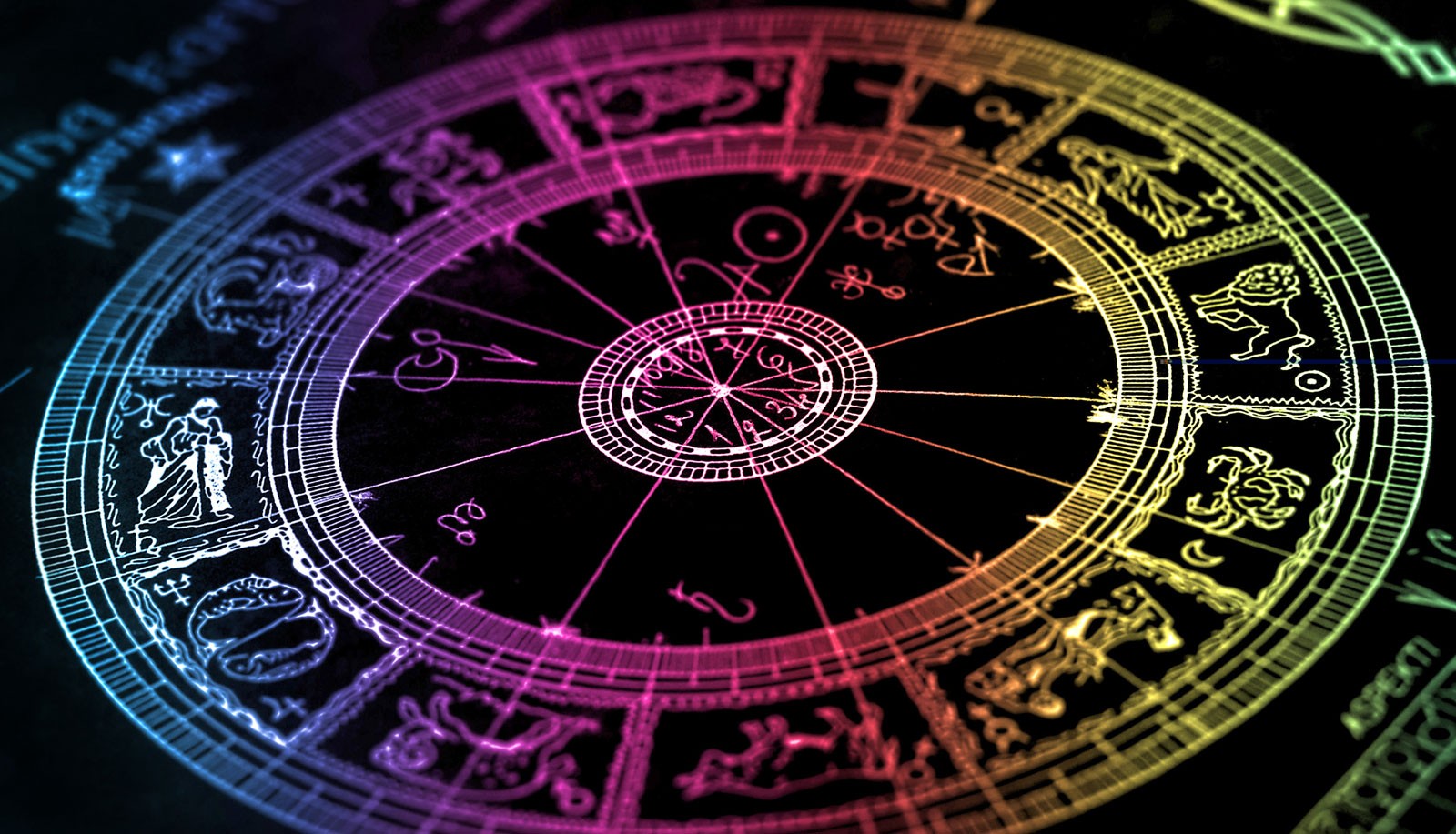
30. On the round surface of the yearly calendar, you can draw a straight line directly across the middle, cutting the circle in half… one end being the point of the winter solstice; the other end being the point of the summer solstice. Then you can draw another straight line (crossing the first one); one end of the new line being the spring equinox; the other end being the autumn equinox. You now have the starting points for each of the 4 seasons. This is referred to by all major encyclopedias and reference works, both ancient and modern, as “The Cross of the Zodiac”. Thus, the life of God’s ‘Sun’ is on “the Cross”. This is why we see the round circle of the Sun on the crosses of Christian churches. The next time you pass a Christian church, look for the circle (God’s Sun) on the cross.

The Sun, since the first day of summer, has each day been moving southward, and stops when it reaches its lowest point in the Northern Hemispheric sky (December 22nd – our winter solstice).

At this lowest point, the Sun stops its journey southward.  For three days, December 22nd, 23rd , and 24th, the Sun rises on the exact same latitudinal (declination) degree.

This is the only time in the year that the Sun actually stops its movement Northward or Southward in our sky. On the morning of December 25th the Sun moves one degree northward beginning its annual journey back to us in the Northern Hemisphere, ultimately bringing our spring. Anything steadily moving all year long that suddenly stops moving for three days was considered to have died. Therefore, God’s Sun who was dead for three days, moves one-degree Northward on December 25th beginning its annual journey back to the Northern Hemisphere. The Sun is symbolically ….BORN AGAIN.

And to this day, His worshippers still celebrate His BIRTHDAY!…. Merry Christmas.


31. Today we use expressions when someone dies. We say things like, “They Passed“, or “They Passed On”, or “They Passed Away”. The ancients said “They Passed Over” (from one life to another), And so it was with the coming of spring, as God’s Sun is “Resurrected” from the Death of Winter to His New Life (in spring).

In the ancient world, long before the Hebrews ever existed, the celebration of spring was called “The Pass Over.” The Sun, which was dead in winter, has passed over to His new life in spring. This is the origin of the modern Pass Over celebration.

This is why Christians also celebrate “The Resurrection”, or His return, in spring with a “Sun Rise service”… He kept His Promise, and has returned to us with the Promise of New Life… “HAPPY EASTER-PASSOVER!”
Teaser Image
Judas

Judas Story

Judas Story

Judas

The Betrayer

Judas “the betrayer” is mentioned over 30 times in the Christian New Testament. The similarity of the names of "Judas" and "Jews" makes the intention of the story suspect since the Christians classify Jews as evil people in their New Testament which glorifies Christianity as the replacing religion of Judaism.

The specific name was used to put the responsibility of Jesus's death on the Jews in order to negate any doubts concerning their fable that the Jews would raise since they were living in the area and knew that the events never occurred.   Others would see a Jew betraying one of his own.  It also parallels the kingdom of Judah betraying the northern kingdom of Israel.  This would also make others look unfavorably on Jews who would refuse to believe the fabled Christian religion.

Gospel of Judas

The Gospel of Judas portrays Judas as a most trusted disciple and acted according to the wished of Jesus. If Jesus intentionally died for everyone’s sins according to his plan then there was no unintentional death by the betrayal of Judas.

After being lost for nearly 1,700 years, the "Gospel of Judas" was recently restored, authenticated, and translated. The Coptic, or Egyptian Christian, manuscripts were unveiled at National Geographic Society headquarters in Washington, D.C.

Some biblical scholars are calling the Gospel of Judas the most significant archaeological discovery in 60 years.  The only known surviving copy of the gospel was found in a codex, or ancient book, that dates back to the third or fourth century A.D.

The text goes on to describe Judas as Jesus' closest friend, someone who understands Christ's true message and is singled out for special status among Jesus' disciples.

In the key passage Jesus tells Judas, "'you will exceed all of them. For you will sacrifice the man that clothes me.'"

Kasser, the translation-project leader, offers an interpretation: "Jesus says it is necessary for someone to free him finally from his human body, and he prefers that this liberation be done by a friend rather than by an enemy."

Did Judas do it?

NO,

Judas didn’t do it.  The Devil did it. Satan entered into Judas and corrupted him.

As soon as Judas took the bread, Satan entered into him. So Jesus told him, “What you are about to do, do quickly.”     John 13:27

Then Satan entered Judas, called Iscariot, one of the Twelve.     Luke 22:3

Devil was not involved.

Then Judas Iscariot, one of the Twelve, went to the chief priests to betray Jesus to them.      Mark 14:10

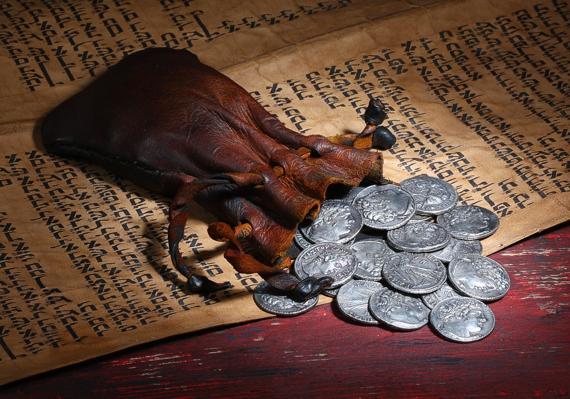
When Judas, who had betrayed him, saw that Jesus was condemned, he was seized with remorse and returned the thirty pieces of silver to the chief priests and the elders. 4 “I have sinned,” he said, “for I have betrayed innocent blood.” “What is that to us?” they replied. “That’s your responsibility.” 5 So Judas threw the money into the temple and left. Then he went away and hanged himself. 6 The chief priests picked up the coins and said, “It is against the law to put this into the treasury, since it is blood money.” 7 So they decided to use the money to buy the potter’s field as a burial place for foreigners.8 That is why it has been called the Field of Blood to this day. 9 Then what was spoken by Jeremiah the prophet was fulfilled: “They took the thirty pieces of silver, the price set on him by the people of Israel, 10 and they used them to buy the potter’s field, as the Lord commanded me.”     Matthew 27:3-10

When did the Devil enter into Judas?

YES, BEFORE the Last Supper.

Then entered Satan into Judas, . . . and he went his way and communed with the chief priests and captains, how he might betray him. . . . Then came the day of unleavened bread when the passover must be killed.      Luke 22:3, 4, 7.

YES, AFTER the Last Supper.

And after the sop Satan entered into him.      John 13:27.

Did Judas identify Jesus with a kiss?

Yes.

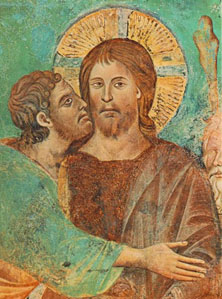
Judas, one of the twelve, came, and with him a great multitude with swords and staves, from the chief priests and elders of the people. Now he that betrayed him gave them a sign, saying, Whomsoever I shall kiss, that same is he: hold him fast. And forthwith he came to Jesus, and said, Hail, master; and kissed him.       Matthew 26:47-49

And immediately, while he yet spake, cometh Judas, one of the twelve, and with him a great multitude with swords and staves, from the chief priests and the scribes and the elders. And he that betrayed him had given them a token, saying, Whomsoever I shall kiss, that same is he; take him, and lead him away safely. And as soon as he was come, he goeth straightway to him, and saith, Master, master; and kissed him.       Mark 14:43-45

No Kiss

And while he yet spake, behold a multitude, and he that was called Judas, one of the twelve, went before them, and drew near unto Jesus to kiss him. But Jesus said unto him, Judas, betrayest thou the Son of man with a kiss?       Luke 22:47-48

No, Jesus identified himself.

Judas then, having received a band of men and officers from the chief priests and Pharisees, cometh thither with lanterns and torches and weapons. Jesus therefore, knowing all things that should come upon him, went forth, and said unto them, Whom seek ye? They answered him, Jesus of Nazareth. Jesus saith unto them, I am he.       John 18:3-5

Why did Jesus have to be identified at all since he was so well known and famous through out the land.  The deceptive kiss is merely an erotic  literary device used in plays through out ancient times.

Where did the money come from to bribe Judas?

Judas

He was a corrupt treasurer of the disciples.

 Since Judas had charge of the money, some thought Jesus was telling him to buy what was needed for the festival, or to give something to the poor.     John 13:29

The priests.

Then Judas Iscariot, one of the Twelve, went to the chief priests to betray Jesus to them.     Mark 14:10

When Judas, who had betrayed him, saw that Jesus was condemned, he was seized with remorse and returned the thirty pieces of silver to the chief priests and the elders. 4 “I have sinned,” he said, “for I have betrayed innocent blood.” “What is that to us?” they replied. “That’s your responsibility.” 5 So Judas threw the money into the temple and left. Then he went away and hanged himself. 6 The chief priests picked up the coins and said, “It is against the law to put this into the treasury, since it is blood money.” 7 So they decided to use the money to buy the potter’s field as a burial place for foreigners.8 That is why it has been called the Field of Blood to this day. 9 Then what was spoken by Jeremiah the prophet was fulfilled: “They took the thirty pieces of silver, the price set on him by the people of Israel, 10 and they used them to buy the potter’s field, as the Lord commanded me.”     Matthew 27:3-10

Then Satan entered Judas, called Iscariot, one of the Twelve.     Luke 22:3

Jesus named Judas as a betrayer at the last supper.

NO, he didn’t

While they were reclining at the table eating, he said, “Truly I tell you, one of you will betray me—one who is eating with me.”     Mark 14:18

But the hand of him who is going to betray me is with mine on the table. 22 The Son of Man will go as it has been decreed. But woe to that man who betrays him!”     Luke 22:21-22
YES, he did.

Jesus answered, “It is the one to whom I will give this piece of bread when I have dipped it in the dish.” Then, dipping the piece of bread, he gave it to Judas, the son of Simon Iscariot.      John 13:26
Then Judas, the one who would betray him, said, “Surely you don’t mean me, Rabbi?” Jesus answered, “You have said so.”    Matthew 26:25

How did Judas die?

He hanged himself.

And he cast down the pieces of silver into the temple, and departed, and went out and hanged himself.   Matthew 27:5

His stomach burst open

    according to Luke.

And falling headlong he burst asunder in the midst, and all his bowels gushed out.   Acts 1:18

Did Judas repent for what he had done to Jesus before he killed himself?

NO, he didn’t.

beginning from John’s baptism to the time when Jesus was taken up from us. For one of these must become a witness with us of his resurrection.”     Acts 1:22

YES, he did.

   Judas regretted his betrayal.

So Judas threw the money into the temple and left. Then he went away and hanged himself.     Matthew 27:5

Where did Judas die?

At “Blood Acre” 

   According to Luke;       

18 (With the payment he received for his wickedness, Judas bought a field; there he fell headlong, his body burst open and all his intestines spilled out. 19 Everyone in Jerusalem heard about this, so they called that field in their language Akeldama, that is, Field of Blood.)        Acts 1:15-22

Matthew did not know.

So Judas threw the money into the temple and left. Then he went away and hanged himself.     Matthew 27:5

Who bought the land “Blood Acre”?

Judas himself.

Now, this man purchased a field with the reward of iniquity.   Acts 1:18

Judas returned the money.

3 When Judas, who had betrayed him, saw that Jesus was condemned, he was seized with remorse and returned the thirty pieces of silver to the chief priests and the elders. 4 “I have sinned,” he said, “for I have betrayed innocent blood.”     Matt 27:3-7

The Priests bought it.

And the chief priests took the silver pieces, . . . and bought with them the potter’s field.   Matt. 27:6, 7.

What does the name “Blood Acre” Mean?

Judas’s blood death,

    according to Luke.

Everyone in Jerusalem heard about this, so they called that field in their language Akeldama, that is, Field of Blood.)     Acts 1:19

The blood money used to buy the land.

That is why it has been called the Field of Blood to this day.     Matthew 27:8

30 pieces of silver

Jeremiah’s 30 Pieces of Silver?

NOT … Christians claim the verse in Jeremiah prophesized the 30 pieces of silver.

Again, Christians demand that you to “Just Believe”, and don’t think you will check up on them.

And they consulted together and bought with them the potter’s field to bury strangers in. Therefore that field has been called the Field of Blood to this day. Then was fulfilled what was spoken by Jeremiah the prophet, saying, ‘And they took the thirty pieces of silver, the value of Him and who was priced, whom they and the children of Israel priced. And gave them for the potter’s field, as the Lord directed me.’    Matthew 27:7-10 citing Jeremiah 32:6-9

Jeremiah referred to seven shekels and 10 pieces of silver and not to a potter’s field, but to house plots, fields, and vineyards.

Behold, Hanamel, the son of your uncle Shallum, is coming to you to say, ‘Buy yourself my field that is in Anathoth, for upon you is the law of redemption, to buy it … I weighed out the money for him; seven shekels and ten pieces … For thus said Hashem, Master of Legions, God of Israel,; ‘Houses, fields and vineyards will yet be bought in this land.’    Jeremiah 32:6, 32:9 32:15.

Jeremiah land was a land of hope and restoration NOT a negative portrayal of guilt and death. And NO … that is NO 30 pieces of silver.

Zechariah’s 30 Pieces of Silver

10 Then I took my staff called Favor and broke it, revoking the covenant I had made with all the nations.

11 It was revoked on that day, and so the oppressed of the flock who were watching me knew it was the word of theLord.

12 I told them, “If you think it best, give me my pay; but if not, keep it.” So they paid me thirty pieces of silver.

13 And the Lord said to me, “Throw it to the potter”—the handsome price at which they valued me! So I took the thirty pieces of silver and threw them to the potter at the house of the Lord.

14 Then I broke my second staff called Union, breaking the family bond between Judah and Israel.

Zechariah 11:12-13

This is not Jeremiah as Matthew quoted.  It is Zechariah.  It is the only mention of 30 pieces of silver.  And the context is totally different than that is quoted by Matthew as prophesy.

Teaser Image
My Body

This is my Body

This is My Body...

26 While they were eating, Jesus took bread, and when he had given thanks, he broke it and gave it to his disciples, saying, “Take and eat; this is my body.”

27 Then he took a cup, and when he had given thanks, he gave it to them, saying, “Drink from it, all of you. 28 This is my blood of the covenant, which is poured out for many for the forgiveness of sins. 29 I tell you, I will not drink from this fruit of the vine from now on until that day when I drink it new with you in my Father’s kingdom.”        Matthew 26:26

22 While they were eating, Jesus took bread, and when he had given thanks, he broke it and gave it to his disciples, saying, “Take it; this is my body.”

23 Then he took a cup, and when he had given thanks, he gave it to them, and they all drank from it.

24 “This is my blood of the covenant, which is poured out for many,” he said to them. 

25 “Truly I tell you, I will not drink again from the fruit of the vine until that day when I drink it new in the kingdom of God.”       Mark 14:22  

The Roman Catholics state that the Eucharist is the natural body and blood of Christ Jesus verè et realiter.  Protestants agree with the Catholics and state that it is the body of Christ verè et realiter, then add spiritually by grace and efficacy.  ??? What ???

In the following passage Jesus commanded his believers to do a sacrament in rememberance of him: 

19 And he took bread, gave thanks and broke it, and gave it to them, saying, “This is my body given for you; do this in remembrance of me.”   Luke 22:19

20 In the same way, after the supper he took the cup, saying, “This cup is the new covenant in my blood, which is poured out for you.      Luke 22:20

This ritual of making bread wafer and wine (consecrated by a priest of course) into the actual body of a god has gone on for hundreds and thousands of years before the Jesus appointed birthdate.  In this manner, they ate their god.  And the Egyptians, who practiced this exact "sacrament" to Osirus possibly as long ago as 3150 years before any A.D. date.  The Worship of Osiris begins in Pre-Dynastic Period of Egypt. c. 3150 BCE - c. 30 BCE.  The bread and wine was brought to the temple by the worshipers.

Cicero, the greatest orator of Rome, and one of the most illustrious of Rome's statesmen, born in the year 106 B. C., mentions it in his writings his wonderings at the strangeness of the bread/wine rite.

"How can a man be so stupid," says he, "as to imagine that which he eats to be a God?"

From the beginings of the mysteries among the Pagans, the Eucharistia is one of the oldest rites of antiquity.

The followers of the Grand Lama in Tibet and Tartary offer to their god a sacrament of bread and wine.

The first Christian missionary that went to tibet, P. Andrada La Crozius, wrote about his findings in Tibet;

"Their Grand Lama celebrates a species of sacrifice with bread and wine, in which, after taking a small quantity himself, he distributes the rest among the Lamas present at this ceremony."

In the Indian and the Parsee religions, the devotees drink the juice of the Soma, or Haoma plant.  They consider it a god.  Mr. Baring Gould wrote:

"Among the ancient Hindoos, Soma was a chief deity; he is called 'the Giver of Life and of health,' the 'Protector,' he who is 'the Guide to Immortality.' He became incarnate among men, was taken by them and slain, and brayed in a mortar. But he rose in flame to heaven, to be the 'Benefactor of the World,' and the 'Mediator between God and Man.' Through communion with him in his sacrifice, man, (who partook of this god), has an assurance of immortality, for by that sacrament he obtains union with his divinity."

Pythagoras, the renown Grecian philosopher, was born about the year 570 B. C.  He performed this ceremony of the bread/wine sacrament he brought back from a visit to Egypt.

The "King of Righteousness," Melchizedek, "a priest of the Most High God," brought out BREAD and WINE as a sign or symbol of worship to experience God's presence.

Then Melchizedek king of Salem brought out bread and wine. He was priest of God Most High,    Genesis 14:18

The Rev. Dr. Milner stated;

"It was in offering up a sacrifice of bread and wine, instead of slaughtered animals, that Melchizedek's sacrifice differed from the generality of those in the old law, and that he prefigured the sacrifice which Christ was to institute in the new law from the same elements. No other sense than this can be elicited from the Scripture as to this matter; and accordingly the holy fathers unanimously adhere to this meaning."

This is wishful thinking to justify their pagan beliefs.  This bread and wine sacrament was offered to God and eaten before God by Jethro and the elders of Israel, [Exodus 18:12] and some of the mourning Israelites broke bread and drank "the cup of consolation," in remembrance of the departed, "to comfort them for the dead."   

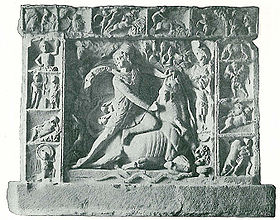
Persia—the religion of Mithra, the Mediator, the Redeemer and Saviour—that we find the sacrament of the Christians, and from which the Christians evidently borrowed from. Those who were initiated into the mysteries of Mithra, or became members, took the sacrament of bread and wine.

M. Renan, writing of Mithraicism, says:

"It had its mysterious meetings: its chapels, which bore a strong resemblance to little churches. It forged a very lasting bond of brotherhood between its initiates: it had a Eucharist, a Supper so like the Christian Mysteries, that good Justin Martyr, the Apologist, can find only one explanation of the apparent identity, namely, that Satan, in order to deceive the human race, determined to imitate the Christian ceremonies, and so stole them."

St. Justin, writes alluding to the bread wine ceremony:

"The apostles, in the commentaries written by themselves, which we call Gospels, have delivered down to us how that Jesus thus commanded them: He having taken bread, after he had given thanks,  said, Do this in commemoration of me; this is my body. And having taken a cup, and returned thanks, he said: This is my blood, and delivered it to them alone. Which thing indeed the evil spirits have taught to be done out of mimicry in the Mysteries and Initiatory rites of Mithra. "For you either know, or can know, that bread and a cup of water (or wine) are given out, with certain incantations, in the consecration of the person who is being initiated in the Mysteries of Mithra."

The Eucharist of the Lord and Saviour, as the Magi called Mithra, the second person in their Trinity, or their Eucharistic sacrifice, was always made exactly and in every respect the same as that of the orthodox Christians.

The Persian Magi introduced the worship of Mithra into Rome.  These mysteries were solemnized in a cave. In the process of initiation there, candidates were also administered the sacrament of bread and wine, and were marked on the forehead with the sign of the cross. 

The ancient Greeks also had their "Mysteries," wherein they celebrated the sacrament of the Lord's Supper. The Rev. Robert Taylor, speaking of this, says:

"The Eleusinian Mysteries, or, Sacrament of the Lord's Supper, was the most august of all the Pagan ceremonies celebrated, more especially by the Athenians, every fifth year,  in honor of Ceres, the goddess of corn, who, in allegorical language, had given us her flesh to eat; as Bacchus, the god of wine, in like sense, had given us his blood to drink. . . . "From these ceremonies is derived the very name attached to our Christian sacrament of the Lord's Supper,—'those holy Mysteries;'—and not one or two, but absolutely all and every one of the observances used in our Christian solemnity. Very many of our forms of expression in that solemnity are precisely the same as those that appertained to the Pagan rite."

Prodicus (a Greek sophist of the 5th century B. C.) says that, the ancients worshiped bread as Demeter (Ceres) and wine as Dionysos (Bacchus);  therefore, when they ate the bread, and drank the wine, after it had been consecrated, they were doing as the Romanists claim to do at the present day, i. e., eating the flesh and drinking the blood of their god.  Mosheim, the celebrated ecclesiastical historian, acknowledges that:

"The profound respect that was paid to the Greek and Roman Mysteries, and the extraordinary sanctity that was attributed to them, induced the Christians of the second century, to give their religion a mystic air, in order to put it upon an equal footing in point of dignity, with that of the Pagans. For this purpose they gave the name of Mysteries to the institutions of the Gospels, and decorated particularly the 'Holy Sacrament' with that title; they used the very terms employed in the Heathen Mysteries, and adopted some of the rites and ceremonies of which those renowned mysteries consisted. This imitation began in the eastern provinces; but, after the time of Adrian, who first introduced the mysteries among the Latins, it was followed by the Christians who dwelt in the western part of the empire. A great part, therefore, of the service of the Church in this—the second—century, had a certain air of the Heathen Mysteries, and resembled them considerably in many particulars." 

These mysteries were, as we have said, also celebrated in honor of Bacchus as well as Ceres. A consecrated cup of wine was handed around after supper, called the "Cup of the Agathodaemon"—the Good Divinity.  Throughout the whole ceremony, the name of the Lord was many times repeated, and his brightness or glory not only exhibited to the eye by the rays which surrounded his name (or his monogram, I. H. S.), but was made the peculiar theme or subject of their triumphant exultation.  

The mystical wine and bread were used during the Mysteries of Adonis, the Lord and Saviour.  In fact, the communion of bread and wine was used in the worship of nearly every important deity. 

The rites of Bacchus were celebrated in the British Islands in heathen times,  and so were those of Mithra, which were spread over Gaul and Great Britain.  We therefore find that the ancient Druids offered the sacrament of bread and wine, during which ceremony they were dressed in white robes,  just as the Egyptian priests of Isis were in the habit of dressing, and as the priests of many Christian sects dress at the present day.

Among some negro tribes in Africa there is a belief that "on eating and drinking consecrated food they eat and drink the god himself." 

The ancient Mexicans celebrated the mysterious sacrament of the Eucharist, called the "most holy supper," during which they ate the flesh of their god. The bread used at their Eucharist was made of corn meal, which they mixed with blood, instead of wine. This was consecrated by the priest, and given to the people, who ate it with humility and penitence, as the flesh of their god.  Lord Kingsborough, in his "Mexican Antiquities," speaks of the ancient Mexicans as performing this sacrament; when they made a cake, which they called Tzoalia. The high priest blessed it in his manner, after which he broke it into pieces, and put it into certain very clean vessels. He then took a thorn of maguery, which resembles a thick needle, with which he took up with the utmost reverence single morsels, which he put into the mouth of each individual, after the manner of a communion.  The writer of the "Explanation of Plates of the Codex Vaticanus,"—which are copies of Mexican hieroglyphics—says:

"I am disposed to believe that these poor people have had the knowledge of our mode of communion, or of the annunciation of the gospel; or perhaps the devil, most envious of the honor of God, may have led them into this superstition, in order that by this ceremony he might be adored and served as Christ our Lord."  The Rev. Father Acosta says: "That which is most admirable in the hatred and presumption of Satan is, that he hath not only counterfeited in idolatry and sacrifice, but also in certain ceremonies, our Sacraments, which Jesus Christ our Lord hath instituted and the holy Church doth use, having especially pretended to imitate in some sort the Sacrament of the Communion, which is the most high and divine of all others." 

He then relates how the Mexicans and Peruvians, in certain ceremonies, ate the flesh of their god, and called certain morsels of paste, "the flesh and bones of Vitzilipuzlti."

"After putting themselves in order about these morsels and pieces of paste, they used certain ceremonies with singing, by means whereof they (the pieces of paste) were blessed and consecrated for the flesh and bones of this idol."

These facts show that the Eucharist is another piece of Paganism adopted by the Christians. The story of Jesus and his disciples being at supper, where the Master did break bread, may be true, but the statement that he said, "Do this in remembrance of me,"—"this is my body," and "this is my blood," was undoubtedly invented to give authority to the mystic ceremony, which had been borrowed from Paganism.

Why should they do this in remembrance of Jesus? Provided he took this supper with his disciples—which the John narrator denies [According to the "John" narrator, Jesus ate no Paschal meal, but was captured the evening before Passover]—he did not do anything on that occasion new or unusual among Jews. To pronounce the benediction, break the bread, and distribute pieces thereof to the persons at table, was, and is now, a common usage of the Hebrews. Jesus could not have commanded born Jews to do in remembrance of him what they already practiced, and what every religious Jew does to this day. The whole story is evidently a myth, as a perusal of it with the eye of a critic clearly demonstrates.

The Mark narrator informs us that Jesus sent two of his disciples to the city, and told them this:

13 So he sent two of his disciples, telling them, “Go into the city, and a man carrying a jar of water will meet you. Follow him. 14 Say to the owner of the house he enters, ‘The Teacher asks: Where is my guest room, where I may eat the Passover with my disciples?’ 15 He will show you a large room upstairs, furnished and ready. Make preparations for us there.”

16 The disciples left, went into the city and found things just as Jesus had told them. So they prepared the Passover.          Mark 14:13-16

It is interesting to note that a man in Jerusalem should have had an unoccupied and properly furnished room just at that time, when two millions of pilgrims sojourned in and around the city. The man, it appears, was not distinguished either for wealth or piety, for his name is not mentioned; he was not present at the supper, and no further reference is made to him. It appears rather that the Mark narrator imagined an ordinary man who had a furnished room to let for such purposes, and would imply that Jesus knew it prophetically. 

The Matthew narrator's account is free from these embellishments, and simply runs thus: Jesus said to some of his disciples—the number is not given —

18 He replied, “Go into the city to a certain man and tell him, ‘The Teacher says: My appointed time is near. I am going to celebrate the Passover with my disciples at your house.’” 19 So the disciples did as Jesus had directed them and prepared the Passover.        Matthew 26:18-19

As early as the second century, however, the seeds were planted, when we find Ignatius, Justin Martyr, and Irenæus advancing the opinion, that the mere bread and wine became, in the Eucharist, something higher— something heavenly —without, however, ceasing to be bread and wine.  After the third century the task of presenting the bread and wine came to be confined to the ministers or priests.  As in Christ Jesus two distinct natures, the divine and the human, were wonderfully combined, so in the Eucharist there was a corresponding union of the earthly and the heavenly.

Transubstantiation is the invisible change of the bread and wine into the body and blood of Christ.  The credulity of the age, with its love for the wonderful and magical, the interest of the priesthood to add lustre, in accordance with the heathens, to a rite which enhanced their own priestly office, resulted in the doctrine of Transubstantiation being declared an article of faith of the Christian Church.  Luther maintained a corporeal, and Calvin a real presence of Christ in the Eucharist; and the opinion of Zuinglius, that it is no more than a spiritual communion, a simple memorial, has slowly prevailed in the reformed churches. 

At the present day, the Greek and Roman Catholics alone hold to the original doctrine of the real presence.  Of all the religious observances among heathens, Jews, or Turks, none has been the cause of more hatred, persecution, outrage, and bloodshed, than the Eucharist. Christians persecuted one another like relentless foes, and thousands of Jews were slaughtered on account of the Eucharist and the Host.

Teaser Image
alt

63 Saviors Prior to Jesus

63 Saviors Prior to Jesus

Jesus

What??? Before me???
63 Prior Jesus Saviors

 1.      Khrishna of Hindostan 1200 BCE born of a virgin, Son of God, crucified, almost identical to the Christian Jesus story but 1200 years before it.

2.      Mithra of Persia/India 600 BCE – born Dec 25

3.      India Buddha Sakia of India –  born of a virgin, Son of God

4.      Attis of Phrygia 1170 BCE –  born of a virgin, crucified

5.      Dionysus/Bacchus of Greece –  born of a virgin, born Dec 25

6.      Heracles (Hercules) of Greece

7.      Osiris and Horus of Egypt 2300 BCE –  born of a virgin, born Dec 25

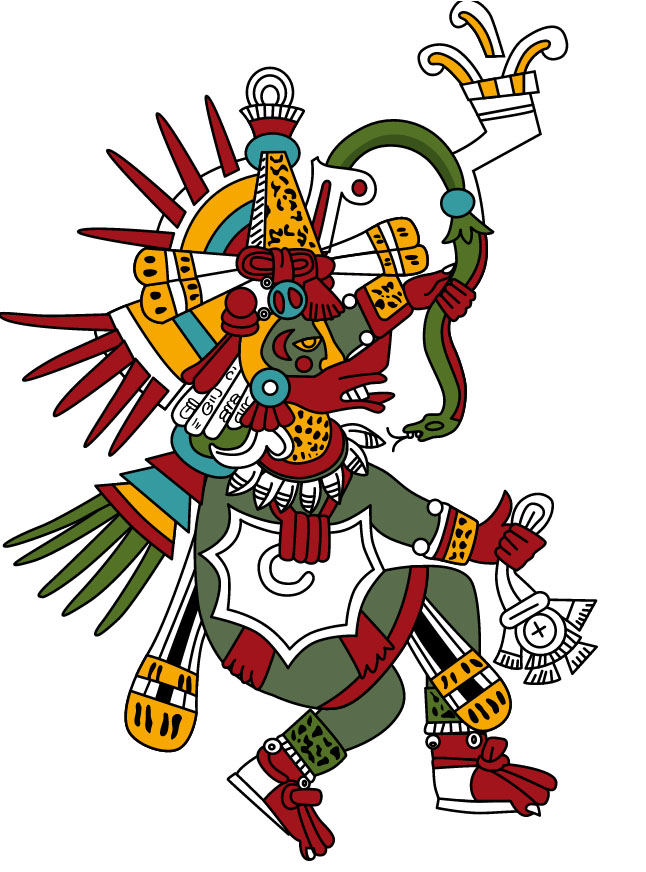
8.      Quexalcoatl of Mexico 587 BCE –  born of a virgin, crucified, resurrected

9.      Gentaut of Mexico

10.    Serapis of Egypt

11.    Zoroaster/Zarathustra of Persia –  born of a virgin, Son of God, second coming

12.    Odin/Wodin/Woden/Wotan of Scandinavia

13.    Salivahana of Bermuda

14.    Crite of Chaldea 1200 BCE –  Son of God, crucified

15.    Baal and Taut of Babylonia/Phoenicia –  resurrected

16.    Indra of Tibet/India 725 BCE –  crucified

17.    Hesus or Eros, and Bremrillahm, of the Keltic Druids and Gauls 834 BCE –  crucified

18.    Hermes of Egypt/Greece –   born of a virgin

19.    Ixion and Quirinus of Rome 506 BCE –  born of a virgin, crucified, resurrected

20.    Bali of Afghanistan Corisa 725 BCE

21.    Jao/Iao of Nepal 622 BCE –  crucified

22.    Ieo of China

23.    Adonis of Greece –  born of a virgin

24.    Asclepius of Greece

25.    Apollo of Greece

26.    Zeus of Greece

27.    Prometheus of the Caucasus /Greece 547 BCE – Son of God, crucified, resurrected

28.    Wittoba of Bilingonese –  crucified

29.    Tammuz of Syria and Babylon 1160 BCE – crucified

30.    Xamolxis of Thrace

31.    Zoar of the Bonzes

32.    Adad and Marduk of Assyria

33.    Deva Tat and Sammonocadam of Siam

34.    Alcides of Thebes

35.    Mikado of the Sintoos

36.    Beddru of Japan

37.    Thor, son of Odin, of the Gauls

38.    Cadmus of Greece

39.    Hil and Feta of Mandaites

40.    Universal Monarch of the Sibyls

41.    Ischy of Formosa

42.    Divine Teacher of Plato

43.    Holy On of Xaca

44.    Mohammed of Mahornet of Arabia

45.    Thulis of Egypt 1700 BCE –  Son of God, resurrected

46.    Hindu of Sakia 600 BCE

47.    Alcestos of Euripidies 600 BCE – crucified

48.    Wittoba or Vithoba Hindu god of India 552 BCE

49.    Wittoba of Bilingonese/Teligonese

50.    Alcides of Thebes –  born of a virgin

51.    Balder and Frey of Scandinavia

52.    Chu Chulainn of Ireland

53.    Codom and Deva Tat of Siam

54.    Dahzbog of the Slavs

55.    Dumuzi of Sumeria

56.    Fo-hi, Lao-Kiun, Tien and Chang-Ti of China

57.    Issa/Isa of Arabia 400 BCE –  born of a virgin (Mary)

58.    Jupiter/Jove of Rome

59.    Salivahana of southern India –  born of a virgin

60.    Universal Monarch of Sibyls

61.    Zalmoxis of Thrace –  resurrected 3rd day

62.    Zoar of Bronzes

63.   Romulus  –  born of a virgin

64.   Adonis –  born of a virgin

Teaser Image
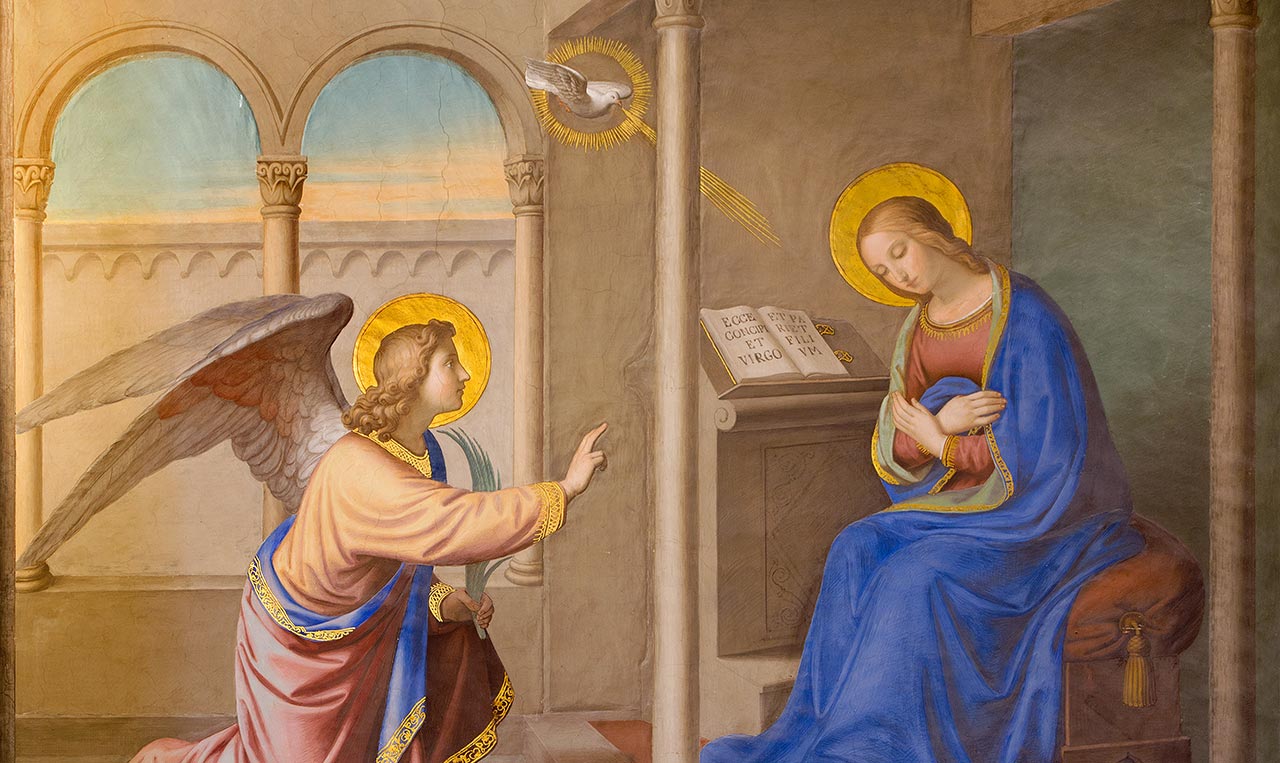
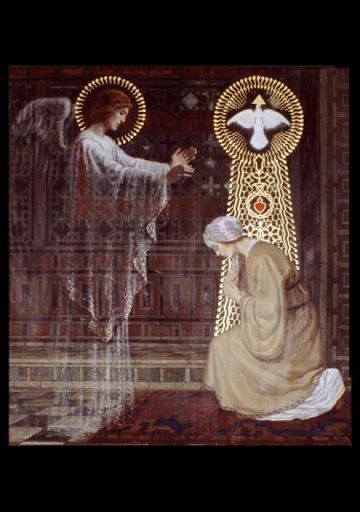
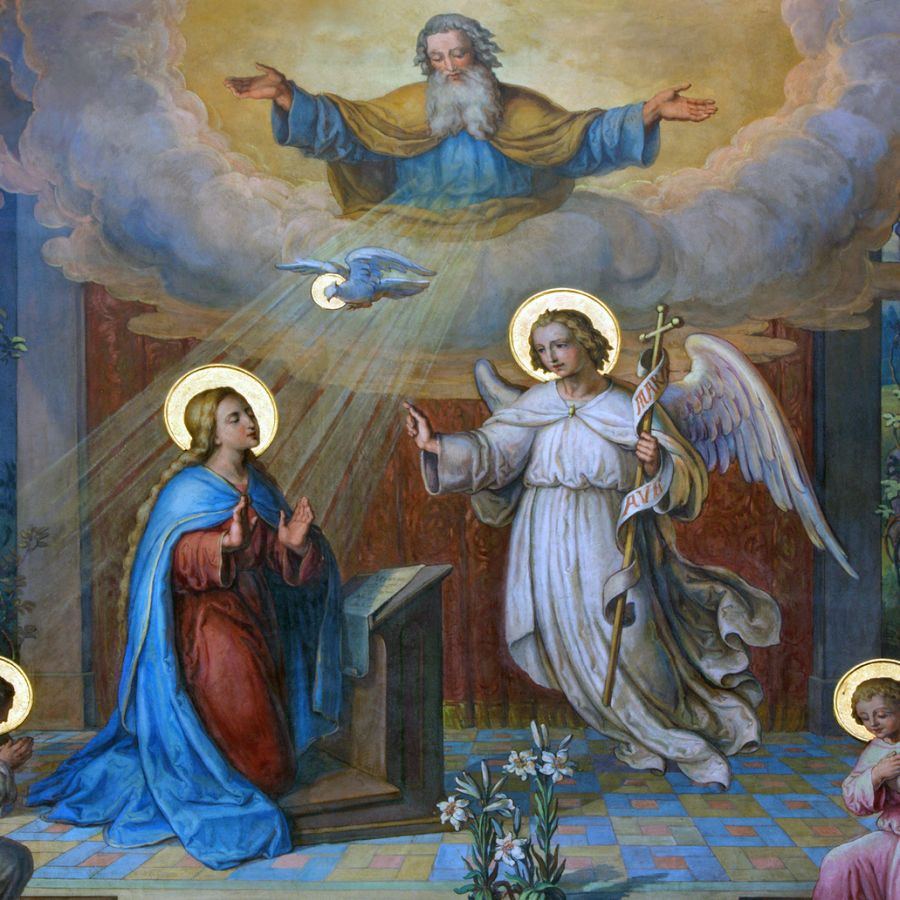
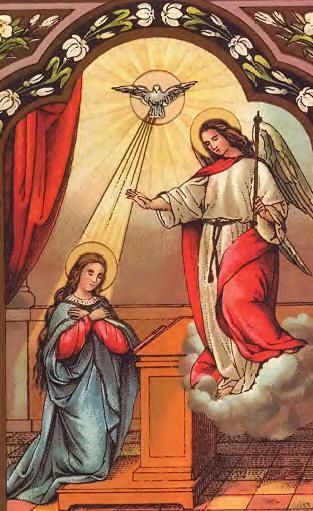
annunciation

Annunciation

Annunciation

Mary was going to have "God's" Child....

and.....God an Adulterer???

annunciaiton


annunciation

1  THE “WORD OF GOD” IS UNCERTAIN AS TO IF MARY WAS LEGALLY MARRIED TO JOSEPH (SHE HAD AN AFFAIR WITH THE “THE HOLY SPIRIT” AND BECAME IMPREGNATED).

A   No, Not married.   

   It was the betrothal time (engagement period).

27 to a virgin pledged to be married to a man named Joseph, a descendant of David. The virgin’s name was Mary.     Luke 1:27

This was the period after the Erusin ceremony (something of value was given in the presence of witnesses as a binding commitment to be married within a year at the Nisuin ceremony (Ketuba signed and chupa).  They did not cohabitate and the laws of adultery applied.

20 But after he had considered this, an angel of the Lord appeared to him in a dream and said, “Joseph son of David, do not be afraid to take Mary home as your wife, because what is conceived in her is from the Holy Spirit.

      Matt. 1:20

B   Yes, She was married.

Because Joseph her husband was a righteous man and did not want to expose her to public disgrace, he had in mind to divorce her quietly.     Matthew 1:19

According to Matthew, the “Holy Spirit” committed adultery!!!  

According to Luke, Mary was an unwed mother, and Jesus was a Bas*^*^rd.

2  When was the Annunciation?

Before Conception

Annunciation was before Mary conceived,

26 In the sixth month of Elizabeth’s pregnancy, God sent the angel Gabriel to Nazareth, a town in Galilee, 27 to a virgin pledged to be married to a man named Joseph, a descendant of David. The virgin’s name was Mary. 28 The angel went to her and said, “Greetings, you who are highly favored! The Lord is with you.”

29 Mary was greatly troubled at his words and wondered what kind of greeting this might be. 30 But the angel said to her, “Do not be afraid, Mary; you have found favor with God. 31 You will conceive and give birth to a son, and you are to call him Jesus.

       Luke 1:26-31.

After Conception

She was already pregnant,

18 This is how the birth of Jesus the Messiah came about: His mother Mary was pledged to be married to Joseph, but before they came together, she was found to be pregnant through the Holy Spirit. 19 Because Joseph her husband was faithful to the law, and yet did not want to expose her to public disgrace, he had in mind to divorce her quietly.

20 But after he had considered this, an angel of the Lord appeared to him in a dream and said, “Joseph son of David, do not be afraid to take Mary home as your wife, because what is conceived in her is from the Holy Spirit. 21 She will give birth to a son, and you are to give him the name Jesus, because he will save his people from their sins.”

       Matt 1:18-21.

3  Who was the Annunciation made to?

Mary

Annunciation was made to Mary, 

The virgin’s name was Mary. 28 The angel went to her and said, “Greetings, you who are highly favored! The Lord is with you.”

     Luke 1:28.

Joseph

It was made to Joseph,

20 But after he had considered this, an angel of the Lord appeared to him in a dream and said, “Joseph son of David, do not be afraid to take Mary home as your wife, because what is conceived in her is from the Holy Spirit.

      Matt. 1:20

annunciation

Why is the virgin birth ignored by Mark and John? Why does Jesus never refer to it? Nor does Paul. Only Mary could have known the real truth, but nobody claims to have the facts from her. 

Teaser Image
Constantines Mother

Cons Mother

Cons Mother

Constantines mother

Constantines mother

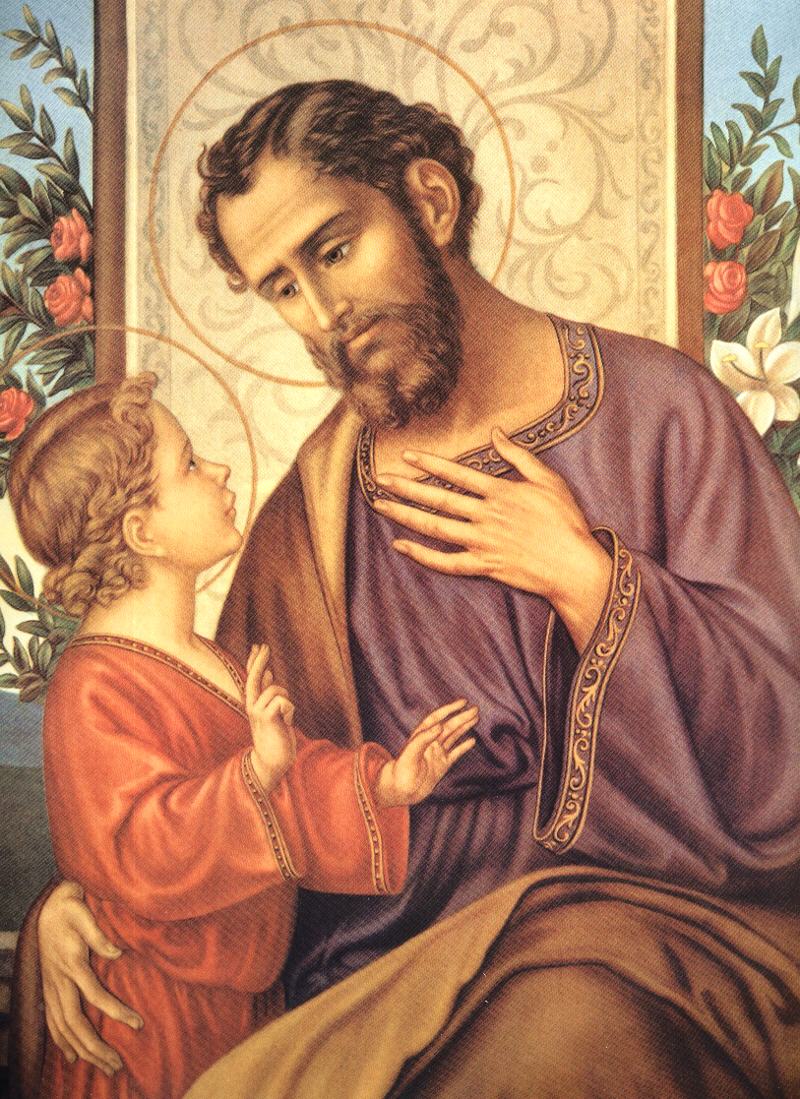
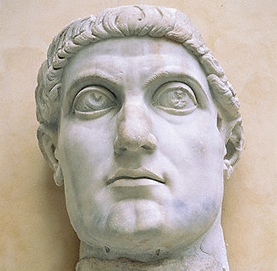
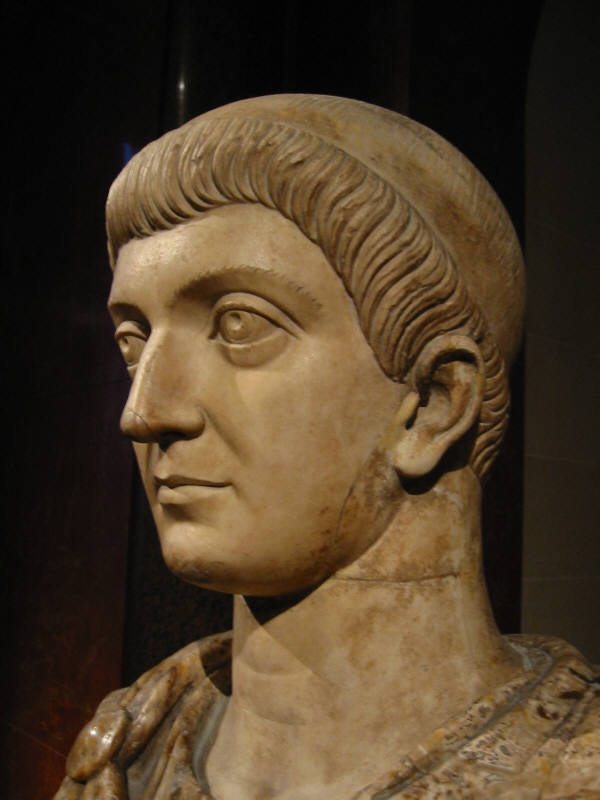
Constantine’s Mother

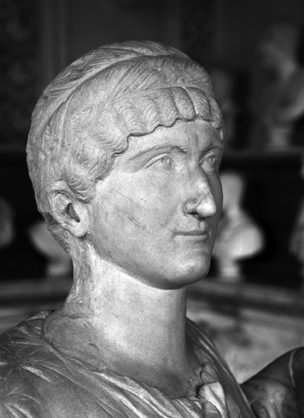
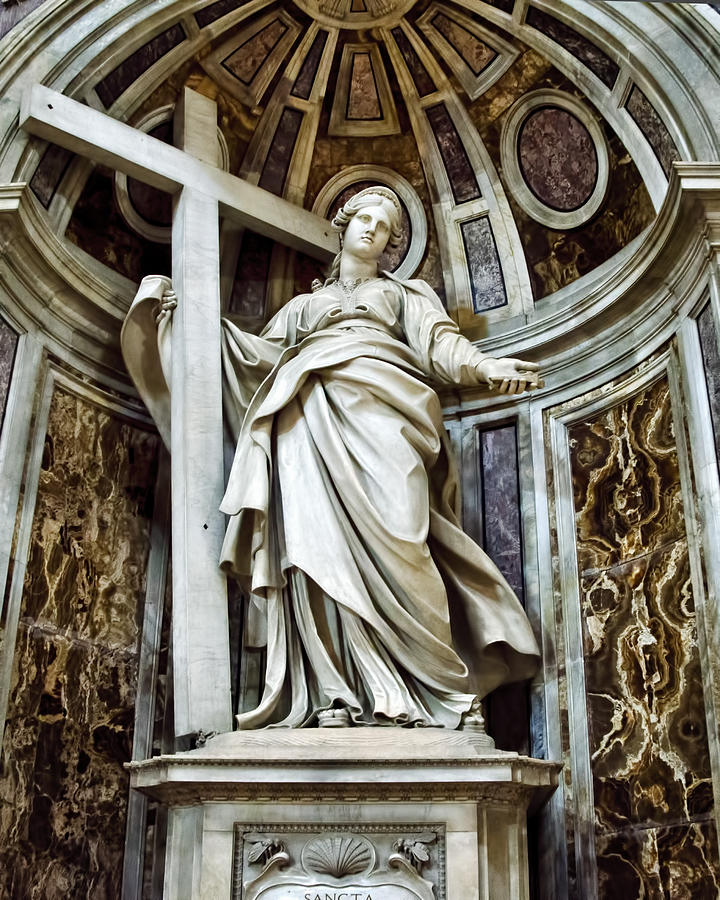
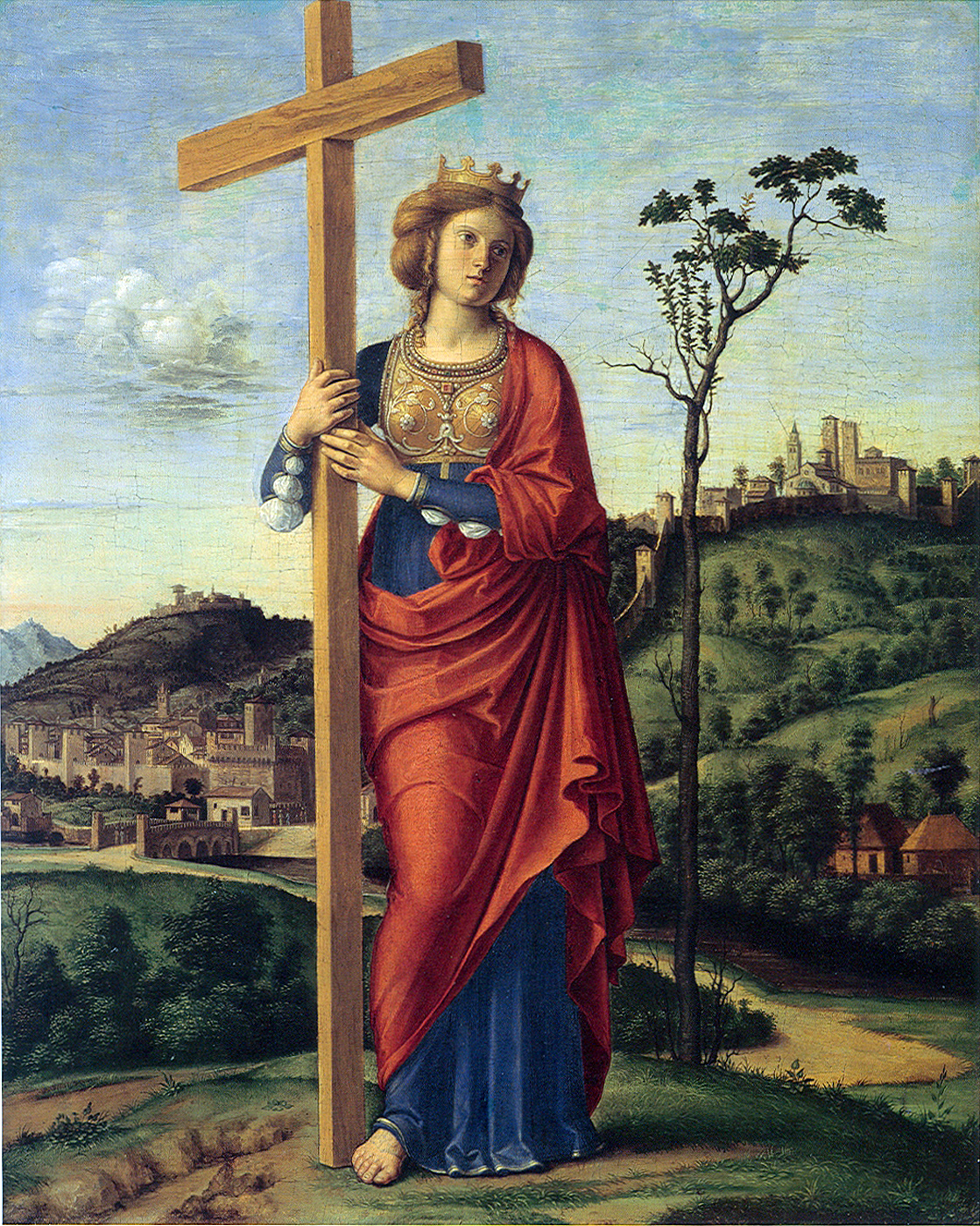
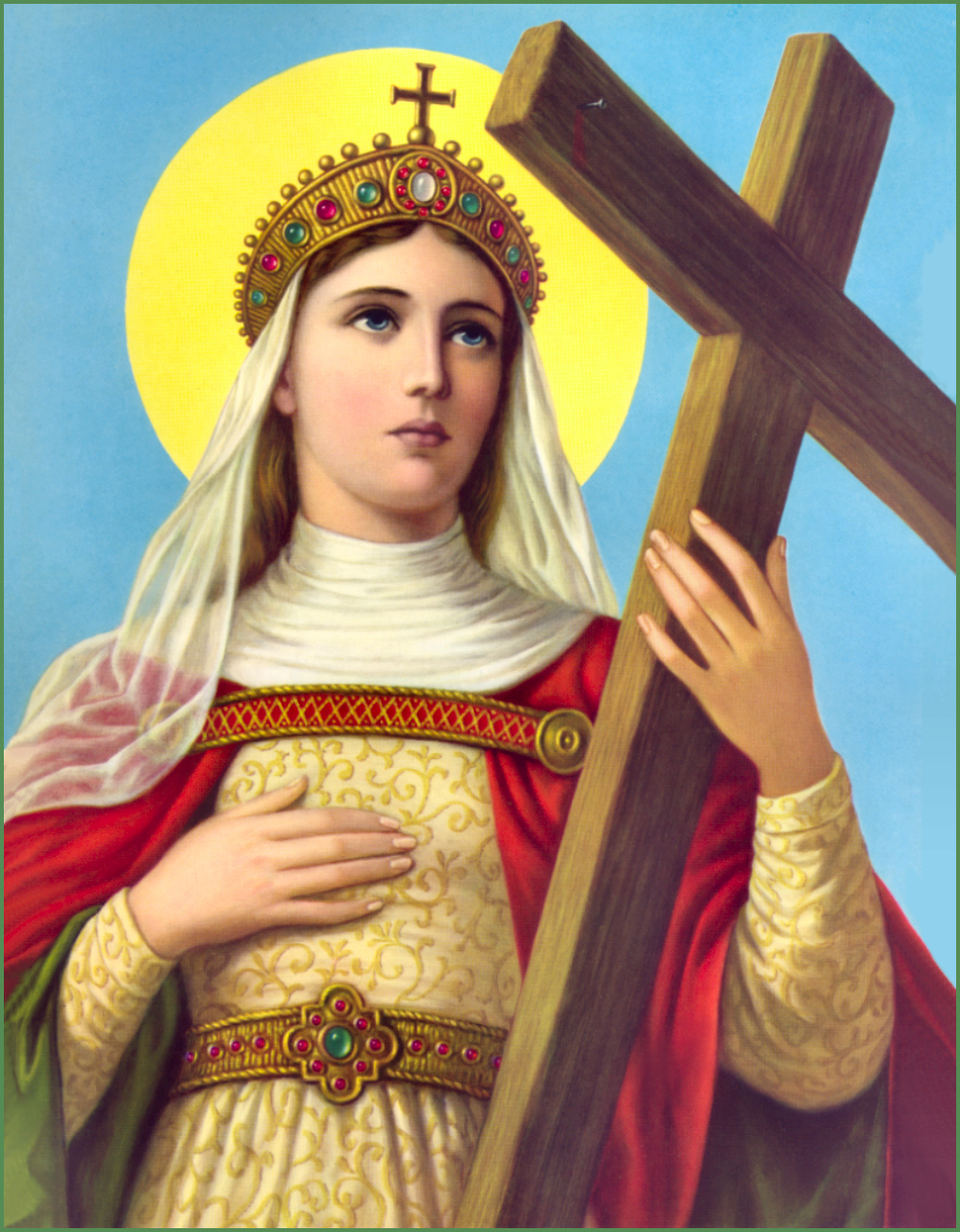
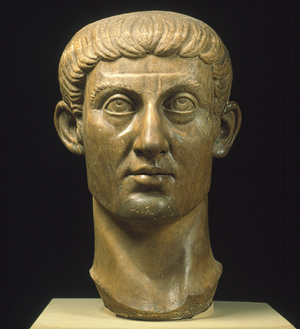
Part of his influence in decreeing the Catholic religion as the state religion came from his mother, Helena, who had converted to Christ sometime before.  She was implicated in the murder of Constantine’s step mother and was forced to flee and live in exile.  She went on a pilgrimage to the holy land.  There, by a miracle, she found the tomb of Jesus.  She also, by a miracle found the birth place of Jesus.  She also, by a miracle, found the remains of the three crosses that were used to crucify Jesus and the other two thieves.   This discovery was truly miraculous since Rome had crucified thousands of Jews in the 300 years since the death of Jesus to the time of her discovery.

When Constantine heard of his mother’s discoveries, he had churches built on the sites and to this day people go to these places for reverence.  His mother sent pieces of the crosses all across the Empire and are still seen in churches today.  The Catholic Church was so impressed by her that they made her a Saint and labeled her “Saint Helena, Discoverer of the True Cross.”

St Helena

Saint Helena

St Helena


Teaser Image
alt

Prior Gods Crucified

Gods Crucified before Jesus-God


Prior Jesus/God Saviors Crucified

Prior God Saviors that were “CRUCIFIED” has been a popular theme since the beginning of history!

Thulis of Egypt

CRUCIFIED

1700 BCE    –   3500 YEARS AGO.

AKA Zulis represented by sculptures made 1700 B.C.E. found in a small chamber lying over the western adytum of a temple. The story is that the 28 lotus plants near his grave represent the years he lived on earth. This God suffered a violent death, was buried but rose again then ascended to heaven and there he will judge the dead souls of a new future state. We are told that this God came down to earth from heaven to benefit mankind and that he was full of grace and truth

Krishna
Chrishna –  of Hindostan 

CRUCIFIED

 1200 BCE INDIA

AKA Khrishna.  Commonly spelled with a ‘K” – Krishna – to not confuse as being Christian.  This is the most probably source of the words Christ and Christian.  Krishna was born of a virgin (Devaki) on December 25.  He died around the age of 30.  He died on a tree crucified between two thieves (some traditions).  He was pierced and crucified.  The deaths resulted in a Sun darkening at noon.  He  “resurrected” from the dead.  He descended into hell.  He ascended to heaven “in the sight of all men.”   He came to earth to die for the salvation of man. Krishna was deemed “Son of God”, “Our Lord and Savior.”  He was part of a trinity, the second person.  His disciples gave him the title of “pure essence” which sounds close the the name Jesus (in Hindustani).

chaldea
Crite of Chaldea

CRUCIFIED

 1200 BCE

The sacred books of the Chaldeans describe this God as being crucified. He was revered as the Savior, the ever blessed Son of God, the Savior of the race, the atoning offering of an angry God. When he was offered up, both heaven and earth shook to their foundations.

Attis
Attis of Phrygia … more …

CRUCIFIED

 1170 BCE

A Phrygian god of vegetation, and in his self-mutilation, death, and resurrection he represents the fruits of the earth, which die in winter only to rise again in the spring.
There are several account of this God but all seems to concur that he had been an atonement offering for sins. He was suspended on a tree, crucified, buried, and rose again.

Tammuz of Syria and Babylon … more …

CRUCIFIED

 1160 BCE

AKA Dumuzi.  History is just fragments. the full history of the God-Savior is probably that of Ctesias author of Persika (400 B.C.E.). was crucified as a sin offering. A translated line of an ancient text states, “Trust ye in God, for out of his loins salvation has come unto us. Another writer, Julius Firmicus writes about this God rising from the dead for the salvation of the world. Christian writer Parkhurst states that this Savior preceded Christ and fulfilling the same role.

Hesus
Hesus or Eros, and Bremrillahm, of the Keltic Druids … more …

CRUCIFIED

 834 BCE

AKA Esus. The Druids represent this God as having been crucified with a lamb on one side and an elephant on the other side. A representation of this can be seen on the fire-tower of Brechin. The symbolism of the Elephant is that it is the largest animal in the world and represents all the sins of the world. The symbolism of the lamb is one of innocence and represents the victim. Christian use this same symbolism by saying “the lamb of God who takes away the sins of the world.” This infers that Jesus was the victim and takes away the sins of the world. This legend is found among the Canutes of Gaul.

Bali of Afghanistan Corisa

CRUCIFIED

 725 BCE

AKA Baliu or Bel.  In a country known as Orissa in Asia they had this Savior God who was crucified.  They referred to him and the Lord Second referring to him as the second God of a trinity.  The historical record Anacalypsis recorded (Vol I 257) that monuments of this crucified God were found in the ruins of the ancient city of Mahabalipore buried among the other statutes of the temple.

Indra of Tibet … more …

CRUCIFIED

 725 BCE

The crucifixion account can be found in Georgius, Thibetinum Alphabetum p 230. There were plates found representing this tibetan Savior as having been nailed to a cross. There are five wounds representing the nail holes and one representing the piercing of his side.There are marvelous stories about his birth as a divine redeemer to a virgin of black complexion (Jesus is said to have had an ebony hue as is the case with other sin-atoning Saviors). He descended from heaven on a mission of benevolence and after he was cucified he ascended back to his heavenly mansion. He led a life of strict celibacy which he taught was essential to true holiness. He showed great tenderness towards all living creatures. He would walk upon the water and upon the air. He could prophesy the future event with great accuracy. He practiced sever discipline of the boday and mind with devout contemplation and subjected his passions. He was worshiped as a God who is a spirit in all living entities. His followers were called “heavenly teachers.”

Iao of Nepal

CRUCIFIED

 622 BCE

AKA Jao.  This God has definite and specific testimony that he was crucified on a tree in Neapaul (Georgius, p. 202). This Savior’s name appears in the holy bibles and sacred books of other countries. It is often spelled Jao which sounds like the shortened version of Jehovah.

Sakia Buddha, Hindu of India  … more …

CRUCIFIED

 600 BCE

AKA Sakya Budda, Sakia Muni, sa skya, “pale earth”). This god was an extensively worshiped sin atoning savior who was written by several oriental and Christian writers to have been crucified.  One account was an arrow pierced his heart and fastened him against a tree then split at right angles to form a cross that hung the body.  He had a virgin birth that is depicted by a virgin mother holding her child and flowers indicating her virginity and that her immortality was transferred to her son.  His crucifixion was designed as a sin atonement.  He taught that all sin has punishment either in this life or the next.    Sakia suffered a suffering crucifixion where he died, went down to hell to suffer a short period, 3 days, then resurrected.  Before he ascended to heaven he taught soul- elevating precepts.  While alive he made the blind see, the deaf hear, the dumb speak, the lame dance, and the crooked become straight.
His mother was very pious and refined.  She is referred to as the “Holy Virgin, Queen of Heaven.”

Alcestos of Euripidies

CRUCIFIED

 600 BCE

The only example of a female God atoning for the sins of the world by being crucified. This account comes from the writings of the English Classical Journal vol 37. The account includes the doctrine of the trinity and her atonement offering for sins

mythra
Mithra of Persia  …more…

CRUCIFIED

 600 BCE

Born of a virgin on December 25.  Sacrificed himself for world peace.  Died on a cross.  Rose again 3 days after being buried in a tomb.  He is called “Redeemer”, “Savior”, “Messiah.” This God is very close to the Christian story of Jesus.

Quexalcote
Quexalcote of Mexico …more…

CRUCIFIED

 587 BCE

There is an explicit, unequivocal and ineffaceable historical record of this Mexican God being executed upon the cross as a sacrifice for the sins of mankind. This evidence is engraved on steel and metal plates. One plate states he was crucified on a mountain, another plate represents him crucified in heaven (same as St. Justin tells Christ was). Sometimes he is represented as hanging on a cross and other times he is holding a cross in his hand. Sometimes he is represented as having two thieves crucified with him. The Mexican Antiquities confirms that Quexalcote is in the paintings of Codex Borgianus as nailed to the cross. Also in the Codex Borgianus is the account of the crucifiction, his death, his burial, his descent into hell, and his resurrection on the third day. In a similar work entitled Codex Vaticanus is the story of his birth by immaculate conception by a virgin named Chimalman. There are many other references in other writings of his forty days temptation and fasting, his riding on an ass, his purification in the temple, his baptism regenerating him by water, his forgiving of sins, being anointed with oil. These accounts are found through out the sacred books.

Wittoba of Telingonese or Bilingonese

CRUCIFIED

 552 BCE

There is a conclusive historical record that this God was crucified. He is represented in his history with nail holes in hs hands and the soles of his feet. Nails, hammers and pincers are constantly seen on his represented crucifixes and graven objects. The iron crown of Lombardy has within it a nail from the true original cross This crown is much revered on account of this nail. The worship of this God is mainly in Travancore and other southern countries in the Madura region.

Prometheus
Prometheus of the Caucasus …more…

CRUCIFIED

 547 BCE

Seneca, Hesiod, and other writers state that he was nailed to an upright beam of timber to which was affixed a cross member that extended arms of wood.

Quirinus or Ixion of Rome

CRUCIFIED

 506 BCE

This God was conceived by a virgin. His life was sought by the ruler kin Amulius. He was of royal blood. He was put to death by crucifixion by wicked hands. On his exit from his body the whole earth was enveloped in darkness, just like Jesus, Krishna, and Prometheus. He then is resurrected and ascends back to heaven.

Teaser Image
passover timeline

Passover Timeline

Passover Timeline


The Palm Sunday before Passover ---------------->

Donkey ride 

This is the exact copy of the 2,000 years before any 0 A.D. date, the Egyptian myth of Set riding into the city in triumph.  No man and even "god in the flesh" can ride an ass and her foal at the same time. 

Two, a Donkey and a Colt

The donkey ride into Jerusalem: Jesus rode both a donkey and a colt. 

Tell ye the daughter of Sion, Behold, thy King cometh unto thee, meek, and sitting upon an ass, and a colt the foal of an ass. And the disciples went, and did as Jesus commanded them And brought the ass, and the colt, and put on them their clothes, and they set him thereon.       Matt 21:5-7 

Only the Colt 

And they brought the colt to Jesus, and cast their garments on him; and he sat upon him.      Mark 11:7

And they brought him to Jesus: and they cast their garments upon the colt, and they set Jesus thereon.        Luke 19:35

A Young Ass 

And Jesus, when he had found a young ass, sat thereon; as it is written,      John 12:14

Where is it written???????????????????

Donkey - Who found it? 

Jesus

Jesus "found" the animal himself;

14 And Jesus, when he had found a young ass, sat thereon; as it is written,      John 12:14

Disciples 

the others say the disciples found it according to Jesus' instructions.

2 And saith unto them, Go your way into the village over against you: and as soon as ye be entered into it, ye shall find a colt tied, whereon never man sat; loose him, and bring him.

3 And if any man say unto you, Why do ye this? say ye that the Lord hath need of him; and straightway he will send him hither.

4 And they went their way, and found the colt tied by the door without in a place where two ways met; and they loose him.    Mark 11:2-4

30 Saying, Go ye into the village over against you; in the which at your entering ye shall find a colt tied, whereon yet never man sat: loose him, and bring him hither.

31 And if any man ask you, Why do ye loose him? thus shall ye say unto him, Because the Lord hath need of him.

32 And they that were sent went their way, and found even as he had said unto them.   Luke 19:30-32

Saying unto them, Go into the village over against you, and straightway ye shall find an ass tied, and a colt with her: loose them, and bring them unto me.    Matt 21:2


-------------Passover Timeline ---------------------------------------->

Morning Before Passover

28 Then the Jewish leaders took Jesus from Caiaphas to the palace of the Roman governor. By now it was early morning, and to avoid ceremonial uncleanness they did not enter the palace, because they wanted to be able to eat the Passover.       John 18:28

Noon Before Passover

14 It was the day of Preparation of the Passover; it was about noon.  “Here is your king,” Pilate said to the Jews.
    - John 19:14

The First Day of 

17 On the first day of the Festival of Unleavened Bread, the disciples came to Jesus and asked, “Where do you want us to make preparations for you to eat the Passover?”
    - Matt 26:17 

12 On the first day of the Festival of Unleavened Bread, when it was customary to sacrifice the Passover lamb, Jesus’ disciples asked him, “Where do you want us to go and make preparations for you to eat the Passover?”
    -  Mark 14:12 

7 Then came the day of Unleavened Bread on which the Passover lamb had to be sacrificed.
    - Luke 22:7  

Just Before Passover

13 It was just before the Passover Festival. Jesus knew that the hour had come for him to leave this world and go to the Father. Having loved his own who were in the world, he loved them to the end.     John  13:1

Before Passover

29 Since Judas had charge of the money, some thought Jesus was telling him to buy what was needed for the festival, or to give something to the poor.     John  13:29

Crucified Before Passover Meal!

C.  THE NINETH HOUR, 3 PM

34 And at three in the afternoon Jesus cried out in a loud voice, “Eloi, Eloi, lema sabachthani?” (which means “My God, my God, why have you forsaken me?”).     Mark 15:33

31 Now it was the day of Preparation [Day before Passover], and the next day was to be a special Sabbath [High Holiday falls on Saturday]. Because the Jewish leaders did not want the bodies left on the crosses during the Sabbath, they asked Pilate to have the legs broken and the bodies taken down.     John 19:31

Crucified Before Passover Meal!

41 At the place where Jesus was crucified, there was a garden, and in the garden a new tomb, in which no one had ever been laid. 
42 Because it was the Jewish day of Preparation [Day before Passover] and since the tomb was nearby, they laid Jesus there.      - John 19:41-42

"Evening Meal in Progress"

2 The evening meal was in progress [Passover], and the devil had already prompted Judas, the son of Simon Iscariot, to betray Jesus. 
John 13:2

During Passover Meal (wait, wasn't Jesus dead then?)

14 Say to the owner of the house he enters, ‘The Teacher asks: Where is my guest room, where I may eat the Passover with my disciples?’ 15 He will show you a large room upstairs, furnished and ready. Make preparations for us there.”16 The disciples left, went into the city and found things just as Jesus had told them. So they prepared the Passover.17 When evening came, Jesus arrived with the Twelve. 18 While they were reclining at the table eating [Passover], he said, “Truly I tell you, one of you will betray me—one who is eating with me.”
Mark 14:14

22 While they were eating, Jesus took bread, and when he had given thanks, he broke it and gave it to his disciples, saying, “Take it; this is my body.”
23 Then he took a cup, and when he had given thanks, he gave it to them, and they all drank from it.
24 “This is my blood of the covenant, which is poured out for many,” he said to them. 
Mark 14:22-24

Jesus at Passover Meal Verified by Matthew

18 He replied, “Go into the city to a certain man and tell him, ‘The Teacher says: My appointed time is near. I am going to celebrate the Passover with my disciples at your house.’” 
19 So the disciples did as Jesus had directed them and prepared the Passover.
20 When evening came, Jesus was reclining at the table with the Twelve. 
21 And while they were eating [Passover], he said, “Truly I tell you, one of you will betray me.”
Matthew 26:18-21

26 While they were eating [Passover], Jesus took bread, and when he had given thanks, he broke it and gave it to his disciples, saying, “Take and eat; this is my body.”
27 Then he took a cup, and when he had given thanks, he gave it to them, saying, “Drink from it, all of you. 
28 This is my blood of the covenant, which is poured out for many for the forgiveness of sins.
Matt 26:26-27

Jesus at Passover Meal Verified by Luke

14 When the hour came [Sunset], he took his place at the table, and the apostles with him. 15 He said to them, “I have eagerly desired to eat this Passover with you before I suffer;        Luke 22:14

After Passover Meal

27 And after the sop [Passover] Satan entered into him. Then said Jesus unto him, That thou doest, do quickly.        John 13:27

After the Meal ... to Gethsemane to Pray

26 While they were eating, Jesus took a loaf of bread, and after blessing it he broke it, gave it to the disciples, and said, “Take, eat; this is my body.” 27 Then he took a cup, and after giving thanks he gave it to them, saying, “Drink from it, all of you;

30 And when they had sung an hymn, they went out into the mount of Olives.      Matthew 26:26-30

36 Then cometh Jesus with them unto a place called Gethsemane, and saith unto the disciples, Sit ye here, while I go and pray yonder.      Matthew 26:36

Jesus Arrested

47 While he was still speaking, Judas, one of the Twelve, arrived. With him was a large crowd armed with swords and clubs, sent from the chief priests and the elders of the people.     Matthew 26:47

Off to See Caiaphas the High Priest

57 Those who had arrested Jesus took him to Caiaphas the high priest, where the teachers of the law and the elders had assembled.       Matthew 26:57

After Caiaphas ... to see the Governor Pilate

1 Early in the morning, all the chief priests and the elders of the people made their plans how to have Jesus executed. 2 So they bound him, led him away and handed him over to Pilate the governor.     Matthew 27:1-2

11 And Jesus stood before the governor: and the governor asked him, saying, Art thou the King of the Jews? And Jesus said unto him, Thou sayest.        Matthew 27:11

Turned over after Jesus was Crucified

A  AT 9 AM, THE THIRD HOUR

 It was nine in the morning when they crucified him.     Mark 15:25  NIV

B  AFTER 12 NOON, THE SIXTH HOUR

And it was the preparation of the passover, and about the sixth hour; and he saith unto the Jews, Behold your king. . . . Shall I crucify your king?  John 19:14, 15

45 Now from the sixth hour there was darkness over all the land unto the ninth hour. 

46 And about the ninth hour Jesus cried with a loud voice, saying, Eli, Eli, lama sabachthani? that is to say, My God, my God, why hast thou forsaken me?   

50 And when Jesus had cried out again in a loud voice, he gave up his spirit.       Matthew 27:45-50

Teaser Image
Jesus genealogy

Genealogy Joke

Genealogy Joke

genealogy

CHRISTIANS BELIEVE THAT GOD CAN’T KEEP HIS GENEALOGIES STRAIGHT —

SINCE CHRISTIANS BELIEVE THAT THE NEW TESTAMENT IS THE “WORD OF GOD”

I Chronicals 3

Matthew 1

Luke 3

DavidDavidDavid
Solomon – Note belowSolomon– Note belowNathan – Note below
RehoboamRehoboamMattatha
AbijahAbijahMenna
AsaAsaMelea
JehoshaphatJehoshaphatEliakim
JehoramJehoramJonam
Ahaziahx – missing nameJoseph
Joashx – missing nameJudah
Amaziahx – missing nameSimeon
AzariahUzziahLevi
JothamJothamMatthat
AhazAhazJorim
HezekiahHezekiahEliezer
MenassehMenassehJoshua
AmonAmonEr
JosiahJosiahElmadam
Jehoiakimx – missing nameCosam
Jechoniah – Note belowJechoniah – Note belowAddi
ShealtielShealtielMelki
PedaiahZerubbabelNeri
HananiahAbiudShealtiel
ShecaniahEliakimZerubbabel
ShemaiahAzorRhesa
NeariahZadokJoanan
ElioenaiAkimJoda
 EliudJosech
 EleazarSemein
 MatthanMattathias
 JacobMaath
 Joseph – see belowNaggai


Esli
  Nahum
  Amos
  Mattathias
  Joseph
  Jannai
  Melki
  Levi
  Matthat
  Heli
  Joseph – see below

COLUMN ONE  IS  THE OLD TESTAMENT LINAGE LEADING BACK TO DAVID (AND SOLOMON).  COMPARE IT TO THE TWO VERSIONS OF THE CHRISTIAN’S “WORD OF GOD”.

Both Christian linages end with Joseph … the step father???  The father of Jesus was God.    I guess God committed adultery since Mary was married at the time of conception.  And there is no indication that Joseph adopted Jesus.  Jewish tribal affiliations are based on the birth father and not through adoption. This is demonstrated by the Cohen Priest’s traditions.

How can Jesus have two completely different lineages in the New Testament, the “Word of God?”  And why two completely different linage from the linage in the Old Testament?

Matthew includes four women in his reciting of the genealogy of Jesus: Tamar, Rachab, Ruth and “the wife of Uriah”.  Genealogies in the Bible are exclusively based upon the male lineage.

After David, the “Word of God” has Luke’s rendition and Matthew’s rendition with only three names that are the same!

In the “Word of God” Luke’s genealogy is FIFTEEN GENERATIONS LONGER than Matthew’s genealogy!!!!!

Both genealogies are false and contain made up fictitious names.  A number of the names are not patriarchs but older gods!

Genealogy Score =  Matthew 27, Luke   43

Mary

The genealogy in Matthew is Jesus', so say the fable believers, but the genealogy in Luke is Mary's.  The fact that Luke's genealogy never mentions Mary and explicitly says that it is Jesus', doesn't concern them.

In addition, Luke 1:36 says that Mary is a cousin of Elizabeth, who is a descendant of Levi (Luke 1:5). So Luke's genealogy couldn't be Mary's since it descends from Judah (Luke 3:33) not Levi.

36 Even Elizabeth your relative is going to have a child in her old age, and she who was said to be unable to conceive is in her sixth month.   Luke 1:36

5 In the time of Herod king of Judea there was a priest named Zechariah, who belonged to the priestly division of Abijah; his wife Elizabeth was also a descendant of Aaron.    Luke 1:5

33 the son of Amminadab, the son of Ram, the son of Hezron, the son of Perez, the son of Judah,   Luke 3:33

annunciation

The Father of God-Jesus was the Holy Ghost-God

8   Now the birth of Jesus Christ was on this wise: When as his mother Mary was espoused to Joseph, before they came together, she was found with child of the Holy Ghost.    Matthew 1:18

     **God must have done his ADULTEROUS deed after the wedding (“Mary was espoused to Joseph”) but (“before they came together”) before the wedding night!!!**

‘you shall not commit adultery,   Mark 10:19,  Luke 18:20,  Romans 13:9

As Written

Here is the genealogy from the gospel of Matthew: (Matthew starts with David and ends with Jesus.)

David the king begat Solomon of her that had been the wife of Urias;
And Solomon begat Roboam;
and Roboam begat Abia;
and Abia begat Asa;
And Asa begat Josaphat;
and Josaphat begat Joram;
and Joram begat Ozias;
And Ozias begat Joatham;
and Joatham begat Achaz;
and Achaz begat Ezekias;
And Ezekias begat Manasses;
and Manasses begat Amon;
and Amon begat Josias;
And Josias begat Jechonias and his brethren, about the time they were carried away to Babylon:

And after they were brought to Babylon, Jechonias begat Salathiel;
and Salathiel begat Zorobabel;
And Zorobabel begat Abiud;
and Abiud begat Eliakim;
and Eliakim begat Azor;
And Azor begat Sadoc;
and Sadoc begat Achim;
and Achim begat Eliud;
And Eliud begat Eleazar;
and Eleazar begat Matthan;
and Matthan begat Jacob;
And Jacob begat Joseph the husband of Mary, of whom was born Jesus, who is called Christ.       Matthew 1:6-16

And here is the (supposedly same, but actually completely different) genealogy from Luke. (Luke starts with Jesus and goes back to David.)

And Jesus himself began to be about thirty years of age, being (as was supposed) the son of Joseph,
which was the son of Heli,
Which was the son of Matthat,
which was the son of Levi,
which was the son of Melchi,
which was the son of Janna,
which was the son of Joseph,
Which was the son of Mattathias,
which was the son of Amos,
which was the son of Naum,
which was the son of Esli,
which was the son of Nagge,
Which was the son of Maath,
which was the son of Mattathias,
which was the son of Semei,
which was the son of Joseph,
which was the son of Juda,
Which was the son of Joanna,
which was the son of Rhesa,
which was the son of Zorobabel,
which was the son of Salathiel,
which was the son of Neri,
Which was the son of Melchi,
which was the son of Addi,
which was the son of Cosam,
which was the son of Elmodam,
which was the son of Er,
Which was the son of Jose,
which was the son of Eliezer,
which was the son of Jorim,
which was the son of Matthat,
which was the son of Levi,
Which was the son of Simeon,
which was the son of Juda,
which was the son of Joseph,
which was the son of Jonan,
which was the son of Eliakim,
Which was the son of Melea,
which was the son of Menan,
which was the son of Mattatha,
which was the son of Nathan,
which was the son of David.        Luke 3:23-31

Messiah Linage Must Come from David

Column Two and Three  are the Christian linage tracings of Jesus back to David. This shows that the New Testament recognizes that it must establish that Jesus, if portrayed as the Messiah, came from the linage of David as was clearly stated in the Old Testament;  Jeremiah 33:17-20 , and  1 Chronicles 17:11-12

And … Messiah Linage Must Come from Solomon

The Messiah seed must come from Solomon — Samuel 7:12-16 … and Psalms 89:29-38…  and  1 Chronicles 17:11-14,  22:9-10,  28:6-7

In God’s “Word of God,” Luke 3:31 lists Joseph as a descendant of David through Nathan, Solomon’s brother, and not through Solomon.  God clearly didn’t know that this disqualifies Jesus as the Messiah since the Messiah must come through Solomon.

The Father of Joseph ... was it Jacob or Heli???

Again God couldn’t get his genealogy straight;

And Jacob begat Joseph, the husband of Mary, of whom was born Jesus.     Matt. 1:16.

Being the son of Joseph which was the son of Heli.   Luke 3:23.

Get the Number of Generations Right

God in his Book of Matthew conveniently skipped descendants and he can’t count the generations he himself listed; 13 generations if you include Jechoniah (which is incorrect) and including Joseph (he is not in the linage according to the other verses)  With those two excluded Matthew is only listing 11 generations. Luke is listing totally different descendants totaling 42 generations. God in his Book of Luke has 15 more generations than Matthew between David and Jesus.

Abraham to David----

17 So all the generations from Abraham to David are fourteen generations; and from David until the carrying away into Babylon are fourteen generations; and from the carrying away into Babylon unto Christ are fourteen generations. Matthew 1:17

   COUNT = THIRTEEN GENERATIONS,  -- NOT FOURTEEN, 

Abraham was the father of Isaac,
Isaac the father of Jacob,
Jacob the father of Judah and his brothers,
Judah the father of Perez and Zerah, whose mother was Tamar,
Perez the father of Hezron,
Hezron the father of Ram,
Ram the father of Amminadab,
Amminadab the father of Nahshon,
Nahshon the father of Salmon,
Salmon the father of Boaz, whose mother was Rahab,
Boaz the father of Obed, whose mother was Ruth,
Obed the father of Jesse,
and Jesse the father of King David.

          Matthew 1:2-6

[Only13 listed by Matthew]. (Matt. 1:2, 3, 4, 5, 6.)

   God Can't Count!

David until Babylon----

David the king begat

Solomon of her that had been the wife of Urias;
And Solomon begat Roboam;
and Roboam begat Abia;
and Abia begat Asa;
And Asa begat Josaphat;
and Josaphat begat Joram;
and Joram begat Ozias;
And Ozias begat Joatham;
and Joatham begat Achaz;
and Achaz begat Ezekias;
And Ezekias begat Manasses;
and Manasses begat Amon;
and Amon begat Josias;
And Josias begat Jechonias and his brethren, about the time they were carried away to Babylon:

Matthew 1:6-16

There was fourteen in this segment.

Babylon until Christ----

And from the carrying away into Babylon unto Christ are fourteen generations. (Matt. 1:17.)

   God Can't Count!

 COUNT = THIRTEEN GENERATIONS,    -- NOT FOURTEEN, 

And after they were brought to Babylon,

Jechonias begat Salathiel (1)

and Salathiel begat Zorobabel (2);

And Zorobabel begat Abiud (3);

and Abiud begat Eliakim (4);

and Eliakim begat Azor (5);

And Azor begat Sadoc (6);

and Sadoc begat Achim (7);

and Achim begat Eliud (8);

And Eliud begat Eleazar (9);

and Eleazar begat Matthan (10);

and Matthan begat Jacob (11);

And Jacob begat Joseph (12) the husband of Mary,

of whom was born Jesus (13), who is called Christ.       Matthew 1:12-17

GOD CAN’T COUNT, PERIOD.

– Can you trust a God that can’t count in his "word of God"??? And, can you trust a couple of guys inspired by God that don’t agree on the linage of Jesus by 15 generations (Luke’s 42 generations, minus Matthew’s 27, equals 15 generations apart -- way way apart).

Jesus NOT the Messiah

If Jesus was born of a virgin and the father of Jesus was God then he is not a descendant from the linages of David and Solomon and thus he is NOT the Messiah.

As the "Word of God" said Joseph didn’t consummate the marriage and the Holy Ghost God was the father;

25 But he did not consummate their marriage until she gave birth to a son. And he gave him the name Jesus.    Matthew 1:25

35 The angel answered, “The Holy Spirit will come on you, and the power of the Most High will overshadow you. So the holy one to be born will be called the Son of God.     Luke 1:35

18 Now the birth of Jesus Christ was on this wise: When as his mother Mary was espoused to Joseph, before they came together, she was found with child of the Holy Ghost.   Matthew 1:18

If a Man was the father from the linage of David and Solomon;  And if Jesus is a descendant of David, then his father is not God; thus he cannot be called the “Son of God.”

9 But you will have a son who will be a man of peace and rest, and I will give him rest from all his enemies on every side. His name will be Solomon, and I will grant Israel peace and quiet during his reign.

10 He is the one who will build a house for my Name. He will be my son, and I will be his father. And I will establish the throne of his kingdom over Israel forever.     1 Chronicles 22:9

Was Jesus the son of David?


Mattthew shows Jesus in his genealogy as being the son of David. Was he?


Yes.


He was the son and seed of David, the fruit of his loins his according to the flesh.


Therefore being a prophet [David], and knowing that God had sworn with an oath to him, that of the fruit of his loins, according to the flesh, he would raise up Christ to sit on his throne.       Acts 2:30

Of this man's seed [David's] hath God, according to his promise, raised unto Israel a Saviour, Jesus.      Acts 13:23

Concerning his son Jesus Christ our Lord, which was made of the seed of David according to the flesh.       Romans 1:3

Remember that Jesus Christ of the seed of David. 2 Timothy 2:8

I Jesus have sent mine angel to testify unto you these things in the churches. I am the root and the offspring of David.      Revelation 22:16


No.


He is not the son of David. (How could David call him "Lord" if he was his son?) Jesus denies being the Messiah.


Jesus Saying, What think ye of Christ? whose son is he? They say unto him, The son of David. He saith unto them, How then doth David in spirit call him Lord, saying, The LORD said unto my Lord, Sit thou on my right hand, till I make thine enemies thy footstool? If David then call him Lord, how is he his son?          Matthew 22:45

And Jesus answered and said, while he taught in the temple, How say the scribes that Christ is the son of David? For David himself said by the Holy Ghost, The LORD said to my Lord, Sit thou on my right hand, till I make thine enemies thy footstool. David therefore himself calleth him Lord; and whence is he then his son?            Mark 12:35-37

Jesus NOT the Son of God

30 Therefore being a prophet [David], and knowing that God had sworn with an oath to him, that of the fruit of his loins, according to the flesh, he would raise up Christ to sit on his throne     “Christian’s Word” in  Acts 2:30

23 Of this man’s seed [David’s] hath God, according to his promise, raised unto Israel a Saviour, Jesus.     “Christian’s Word” in Acts 13:23

3 Concerning his son Jesus Christ our Lord, which was made of the seed of David according to the flesh.     “Christian’s Word” in  Romans 1:3

8 Remember that Jesus Christ of the seed of David.     2 Timothy 2:8

16 For verily he [Jesus] took not on him the nature of angels, but he took on him the seed of Abraham.     “Christian’s Word” in  Hebrews 2:16

16 I Jesus have sent mine angel to testify unto you these things in the churches. I am the root and the offspring of David.    “Christian’s Word” in  Revelation 22:16

NOT a Virgin – but a young woman!

Christians distort their translations so it serves their idol worshiping fable story by producing another fraudulent translation;

…which was spoken of the Lord by the prophet, saying, 23 ‘Behold a virgin shall be with child…   Matthew 1:22-23

What it really says in the Old Testament;

“Behold, the young woman is with child Isaiah 7:14

Almah in Hebrew means young woman.

And, at the end of that New Testament verse Matthew 1:23 the Christians translate it as

“…they shall call his name Emmanuel.”

The true translation in Isaiah is;   (It can only be translated one way)

she will call his name Emmanuel.”

According to the Christians “Word of God” they should be calling their savior by the name Emmanuel instead of Jesus.

A translator should translate what it says and not slant the translation to suit his purposes.  I guess the translator forgot that Jesus was never called Emmanual anywhere in the New Testament.  Isaiah was answering King Ahaz and the implication was that Isaiah was referring to his own wife.

St Joseph

A Disciple of Jesus declared Jesus’ father to be Joseph

Philip findeth Nathanael, and saith unto him, We have found him, of whom Moses in the law, and the prophets, did write, Jesus of Nazareth, the son of Joseph.   John 1:45

God in his “Word of God.” has disciple Philip declaring Jesus to be the Son of Joseph, not the Son of God.

Joseph WAS the father of Jesus.

These verses claim that Jesus is son of David -- "the seed of David", "the fruit of his loins" "according to the flesh". For this to be true, Jesus would have to have a real father (presumably Joseph).

Therefore being a prophet [David], and knowing that God had sworn with an oath to him, that of the fruit of his loins, according to the flesh, he would raise up Christ to sit on his throne.     Acts 2:30

Of this man's seed [David's] hath God, according to his promise, raised unto Israel a Saviour, Jesus.      Acts 13:23

Concerning his son Jesus Christ our Lord, which was made of the seed of David according to the flesh.      Romans 1:3

Remember that Jesus Christ of the seed of David.      2 Timothy 2:8

For verily he [Jesus] took not on him the nature of angels, but he took on him the seed of Abraham.       Hebrews 2:16

I Jesus have sent mine angel to testify unto you these things in the churches. I am the root and the offspring of David.       Revelation 22:16

Joseph WAS NOT the father of Jesus.

The Holy Ghost was the father of Jesus. He came upon the virgin Mary and impregnated her.

When as his mother Mary was espoused to Joseph, before they came together, she was found with child of the Holy Ghost.       Matthew 1:18

And knew her not till she had brought forth her firstborn son: and he called his name JESUS.        Matthew 1:25

And, behold, thou shalt conceive in thy womb, and bring for a son, and shalt call his name Jesus .... Then said Mary unto the angel, How shall this be seeing I know not a man. And the angel answered and said unto her, The Holy Ghost shall come upon thee.       Luke 1:31-35

     The Holy Ghost committed Adultery !!!

Adoption???

According to Christian’s “Word of God”,  Joseph himself was not a legitimate heir to the throne. Even if lineage could be passed on through an adoption (can’t), Jesus could not be the Messiah if he was a descendant of Joseph.  Joseph, himself, was a descendant of a family whose linage is specifically stated to be disqualified from the Messiah linage.

Matthew 1:11 shows that Joseph was descended from Jechoniah or Coniah for short, a former king who was very wicked and cursed by God. In Jeremiah 22, we see that Jechoniah’s descendants are absolutely disqualified as heirs to the throne   Numbers 1:18-44, 34:14,  Leviticus 24:10     Therefore, anyone descended from Joseph was also disqualified as a candidate to the throne of David.

30 Write ye this man childless, a man that shall not prosper in his days: for no man of his seed shall prosper, sitting upon the throne of David, and ruling any more in Judah.   Jeremiah 22:30

In biblical tradition concerning the Kohanim (Priests), an adopted son cannot become a Kohen. Also a son adopted by a member of the royal line can never become heir to the throne. Thus the Messiah must be an actual biological member of the royal line.

16 And Jacob begat Joseph the husband of Mary, of whom was born Jesus, who is called Christ.    Matthew 1:16

The “whom” word in the above verse, Christians say, God was not referring to Joseph but refers to Mary; God wrote Joseph instead of Mary.  God makes mistakes too.  That way the Christians can keep up their idol worshiping of the Blessed Holy “Virgin” Mary”, and also keep up their idol worshiping of Jesus as the son of God (Jesus thus being God in the flesh).

18 Now the birth of Jesus Christ was on this wise: When as his mother Mary was espoused to Joseph, before they came together, she was found with child of the Holy Ghost. Mathew 1:18

God’s Book of Luke - the Genealogy lists Nathan instead of King Solomon

9 Behold, a son shall be born to you, who shall be a man of rest; and I will give him rest from all his enemies around; for his name shall be Solomon, and I will give peace and quiet to Israel in his days.

10 He shall build a house for my name; and he shall be my son, and I will be his father; and I will establish the throne of his kingdom over Israel forever.     I Chronicles 22:9-10

18 I will establish your royal throne, as I covenanted with David your father when I said, ‘You shall never fail to have a successor to rule over Israel.     II Chronicles 7:18

12 When your days are complete and you lie down with your fathers, I will raise up your descendant after you, who will come forth from you, and I will establish his kingdom.

13 He shall build a house for My name, and I will establish the throne of his kingdom forever.

These verses are referring to King Solomon. The linage of the throne must be traced back to King SolomonNathan was another one of David’s sons but not a qualified linage. I guess God in writing his “Word of God” forgot what is written in  I Chronicles 22:9-10 … or II Chronicles 7:18 … or Samuel 7:12-13.

God Can’t Get the Old Testament Generations Right Either

God’s Book of Matthew claims “Uzziah begat Joatham.”

In the Old Testament, 1 Chron 3:11-12, it lists three generations between Uzziah and Jotham (Joash, Amaziah, and Azariah).  God’s Book of Matthew omits all three generations.

11 Jehoram his son, Ahaziah his son, Joash his son,

12 Amaziah his son, Azariah his son, Jotham his son,     1 Chr 3:11-12

9 Uzziah the father of Jotham, Jotham the father of Ahaz, Ahaz the father of Hezekiah,     Matthew 1:9

Did God in his Book of Luke insert Someone into a Family Tree???

And Arphaxad lived five and thirty years and begat Salah. (Gen. 11:12.)

YES, God's word in Luke inserted Cainan into the linage.

Which was the son of Sala, which was the son of Cainan, which was the son of Arphaxad. (Luke 3:35, 36.)

Paul Knew their Genealogies were B.S.


But avoid foolish disputes, genealogies, contentions and strivings about the law, for they are unprofitable and useless.    Titus 3:3


… not head to fables and endless genealogies, which cause disputes rather than Godly edification which is in faith.   I Timothy 1:4


God in his “Word of God” apparently wants you to forget about his mistakes in genealogies.

Jesus of Royal Descent

Jesus was not the only Messiah who was claimed to be of royal descent.

Crishna, the Hindoo Saviour, he was of royal descent, although born in a state the most abject and humiliating.  Thomas Maurice says of him: "Crishna, in the male line, was of royal descent, being of the Yadava line, the oldest and noblest of India; and nephew, by his mother's side, to the reigning sovereign; but, though royally descended, he was actually born in a state the most abject and humiliating; and, though not in a stable, yet in a dungeon." 

Buddha was of royal descent, having descended from the house of Sakya, the most illustrious of the caste of Brahmans, which reigned in India over the powerful empire of Mogadha, in the Southern Bahr. [163:3] R. Spence Hardy says, in his "Manual of Buddhism:"

"The ancestry of Gotama Buddha is traced from his father, Sodhódana, through various individuals and races, all of royal dignity, to Maha Sammata, the first monarch of the world. Several of the names, and some of the events, are met with in the Puranas of the Brahmins, but it is not possible to reconcile one order of statement with the other; and it would appear that the Buddhist historians have introduced races, and invented names, that they may invest their venerated sage with all the honors of heraldry, in addition to the attributes of divinity."

How remarkably these words compare with what we have just seen concerning the genealogies of Jesus!

Jesus Declares He is Not Royalty

54 Jesus replied, “If I glorify myself, my glory means nothing. My Father, whom you claim as your God, is the one who glorifies me.       Matthew, 8:54

Crishna

Crishna, the Hindoo Saviour, he was of royal descent, although born in a state the most abject and humiliating. Thomas Maurice says of him:

"Crishna, in the male line, was of royal descent, being of the Yadava line, the oldest and noblest of India; and nephew, by his mother's side, to the reigning sovereign; but, though royally descended, he was actually born in a state the most abject and humiliating; and, though not in a stable, yet in a dungeon."

Buddha

Buddha was of royal descent, having descended from the house of Sakya, the most illustrious of the caste of Brahmans, which reigned in India over the powerful empire of Mogadha, in the Southern Bahr.  R. Spence Hardy says, in his "Manual of Buddhism:"

"The ancestry of Gotama Buddha is traced from his father, Sodhódana, through various individuals and races, all of royal dignity, to Maha Sammata, the first monarch of the world. Several of the names, and some of the events, are met with in the Puranas of the Brahmins, but it is not possible to reconcile one order of statement with the other; and it would appear that the Buddhist historians have introduced races, and invented names, that they may invest their venerated sage with all the honors of heraldry, in addition to the attributes of divinity." 

Rama

Rama, another Indian avatar—the seventh incarnation of Vishnu—was also of royal descent. 

Fo-hi

Fo-hi; or Fuh-he, the virgin-born "Son of Heaven," was of royal descent. He belonged to the oldest family of monarchs who ruled in China. 

Confucius

Confucius was of royal descent. His pedigree is traced back in a summary manner to the monarch Hoang-ty, who is said to have lived and ruled more than two thousand years before the time of Christ Jesus. 

Horus

Horus, the Egyptian virgin-born Saviour, was of royal descent, having descended from a line of kings. He had the title of "Royal Good Shepherd." 

Hercules

Hercules, the Saviour, was of royal descent. 

Bacchus

Bacchus, although the Son of God, was of royal descent. 

Perseus

Perseus, son of the virgin Danae, was of royal descent. 

Æsculapius

Æsculapius, the great performer of miracles, although a son of God, was notwithstanding of royal descent. 

Many more ...

Many more such cases exist referring to the histories of the virgin-born gods and demi-gods spoken of.


From Colebrooke's "Miscellaneous Essays,"  clearly shows that this idea was pervasive:

"The last of the Jinas, Vardhamâna, was at first conceived by Devanandā, a Brahmānā. The conception was announced to her by a dream. Sekra, being apprised of his incarnation, prostrated himself and worshiped the future saint (who was in the womb of Devanandā); but reflecting that no great saint was ever born in an indigent or mendicant family, as that of a Brahmānā, Sekra commanded his chief attendant to remove the child from the womb of Devanandā to that of Trisala, wife of Siddhartha, a prince of the race of Jeswaca, of the Kasyapa family." 

Teaser Image
Constantine

The Con Man

Constantine

Con Man

Constantine

Constantine

Constantine

Flavius Valerius Aurelius Constantinus Augustus

Constantine

The Greatest Con Man ever, Constantine

Constantine was uniting his kingdom by establishing a high-bred religion at Constantine’s Council of Nicaea in A.D. 325. He did this to prevent his kingdom from disintegrating.  He called the religion the Universal religion, or Catholic religion.

Constantine decreed the day of worship to be Sunday not Saturday (against one of the Ten Commandments) in order to honor a pagan god of the Sun.  After one of his council meetings the Christian doctrine changed, and the new doctrine became “Jesus was God in the flesh.” The quotations of sayings by Jesus in the New Testament have never even hinted that he was God.

Constantine controlled the copying and distribution of the Catholic Bible. He commissioned the writing of fifty Bibles, only the New Testament, a large undertaking in those days. These copies were master copies from which all other New Testament Bibles were to be copied from.

Prior to Catholic

Rome had the Jewish holy land as their enemy so much so that they leveled the whole country, more specifically the holy city of Jerusalem in 70 C.E.  The order for destroying the sacred Temple was that there not to be one stone on top of another.  Yet the same united Roman state under Constantine decreed Christianity as the state religion, a religion whose origin was Judea and Jerusalem and it’s savior was a Jewish prophet (or God) who was executed by a Roman governor.  At the same time Rome made a concerted effort to eliminate the then pagan religious cults that competed against the Constantine declared state religion.

In 305 C.E. , just 17 years prior to the Christianity state religion decree, Rome had declared the state religion to be the Persian savior Mithras.  This savior was declared “Protector of the Empire.”  This also was irregular since Persia was one of Rome’s main enemies.  Mithras was born on December 25 (just like Jesus) and it was common for this cult to celebrate with a symbolic meal of bread and wine.  Mithras is the root of the word Myth.

Mithraism started to spread around the Roman Empire around the first century and by the third century it had spread “from the banks of the Black Sea to the mountain of Scotland, and to the borders of the great Sahara Desert.”  Slaves would often rise to the top ranks in the religion.  Right before the third century a Roman named Commodus was initiated into the mysteries of Mithra which lead to a swell in popularity among the people of the Empire.  Emperors after Commodus, as well as other prior Emperors, tried to establish Mithraism as the religion of the Empire, and as was stated earlier, in 305 C.E. it was declared the religion of the Roman Empire.

The Decree

Before the decree of Christianity as the state religion by Constantine, there were many religions in the city of Rome alone as shown by the preferences of the Roman leaders.  Mark Anthony worshiped Dionysus.  Claudius worshiped Attis.  Vespasian worshiped Serapis.  Domitian worshiped Osiris.  Elgabalus worshiped Helios.

Because of the many religions there developed many major conflicts between leaders as well as with large groups of people in the Empire.  One unifying religion was needed to quell the violence that would develop because of the conflicts of religion.  A “catholic” or universal religion was established.  It was to be an amalgamation of all the religions.

Of the many religious cults at that time all were led by a cult leader who opposed the leaders of the Empire and had a need to tell the state what they should do.  The Christ religion demanded blind faith not only for the initiate to believe in their doctrine, but also blind faith in following the state leaders and accept their authority.  Also the Christ religion had no inner mysteries.  It was transparent.

Catholic

In 321, Constantine fashioned his religion from an amalgamation of the cults, and declared it to be the official religion to be practiced throughout the Empire in the “Edict of Toleration”.  This was specifically a political decision by him and there is evidence that there was no personal spiritual motivation behind it.  Constantine created the name of the hero of this catholic religion.  The name was a mixture of all the names used by the major religions at that time.  The name was Jesus Christ.  See this link for a further explanation => THE NAME JESUS.

Many years after the decree, Constantine claimed an alleged conversion by a vision he had that appeared in the sky.  He had seen a sign similar to the cross but different.  Inscribed on it was “by the Emperor.” This symbol is the chi-ro symbol seen still today in the Vatican.   Not only he, but “all the troops had also seen it.”  Constantine went to bed in wonderment of what the symbol meant.  Then in a dream he was visited by Christ who was wearing the same symbol.  In this dream Christ told him to put this symbol on his troops to conquer his enemy he was to fight the next day.  And this vision was seen the eve before a major battle.  Constantine emblazoned this symbol on the shields of the troops before the battle.  How they did this so quickly before the battle is a question not answered.

chi rho

chi rho tattoo

After he won the fierce battle he honored the battle by building a monstrous monument.  Surely he made reference to Christ who gave him the symbol and that gave him instructions that helped him win the battle. No. No. He made the statue depict himself alongside the Sun God Helios in the forum of Rome.  He also depicted his soldiers receiving assistance from various pagan Gods.

arch of Constantine

Constantine Coin to further His Created Religion

Constantine the Great [c. 280 - 337 C.E.] really started the use of Christian symbols on coins in A.D.312 by showing on the reverse of his coins the labarum, the imperial standard, with a chrismon, and the inscription In hoc signo vinces--"By this sign thou shalt conquer"-

Constantine coin

labarum of Constantine
 

The First Pope

In Rome at the site of the alleged grave of Peter, Constantine constructed a huge basilica which today is at St. Peters Square in the country of the Vatican.

Constantine went by the title “Pontifex Maxius” which is the title for the high priest in the pagan worship world.  This title was continued by all Emperors of Rome until 382 C.E. when it was passed to the Pope of the Catholic Church.  Constantine was truly the first Pope.

Like all the Emperors Constantine lived up to the utterly vicious and cruel acts.  During his wars in Gaul (306 to 312) it was written; “Even heathen feeling was shocked when he gave barbarian kings to the beasts, along with their followers by the thousands at a time.”

Baptism of Constantine

Constantine Baptized

Constantine was never baptized into the Catholic Religion until his death bed.  It is said that he deliberately waited until the end of his life because the baptism (according to the Catholics) would erase all his previous atrocious sins he had committed.  He thus could go to heaven.  He probably said yes only because he was on his death bed and some Catholic priest was insisting that he must and he wanted this priest who was taking care of him to have a positive attitude towards him and to stop the nagging.

I guess Christ (“the Prince of Peace”) who took on a warous role and gave Constantine that warous “military victory symbol” had not won him over after the victory.  A Catholic priest remarked concerning his conversion and his baptism, “We will not be able to know his true sincerity.  Only Christ will know.”

He was buried in the Church of the Apostles in Constantinople, the city he chose to be the capitol of his empire.  His capitol and his created religion are both truly east meets west.

Constantine churchConstantine church

  • Constantine