Oct
18
2026
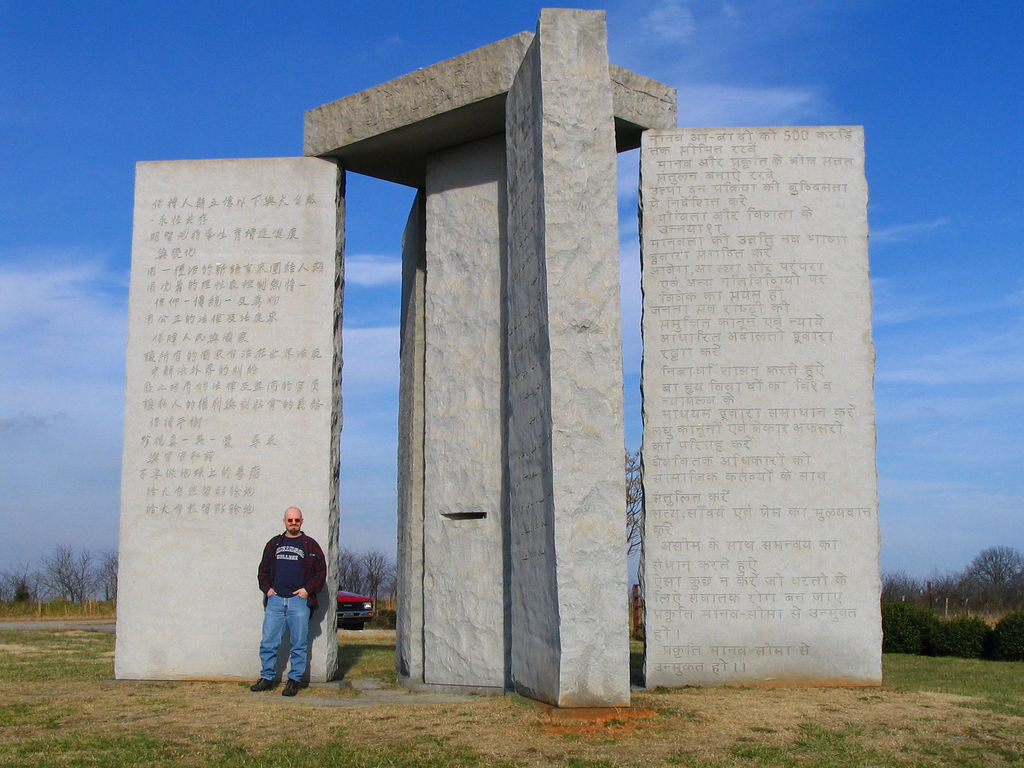
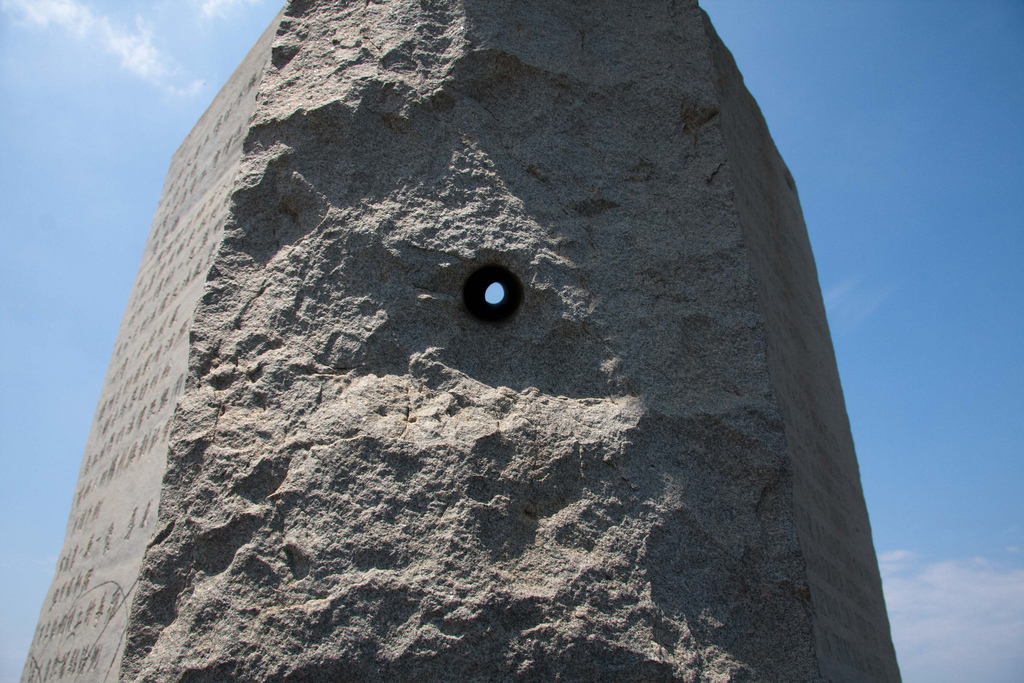
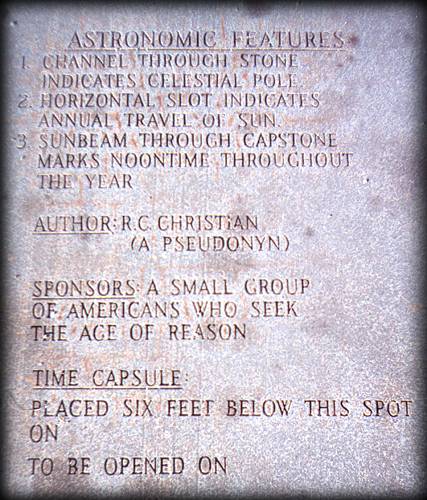
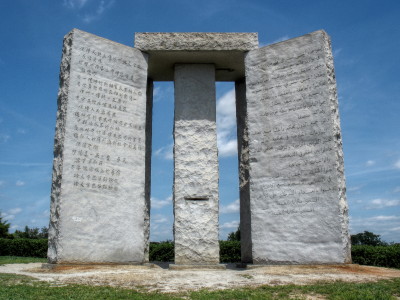
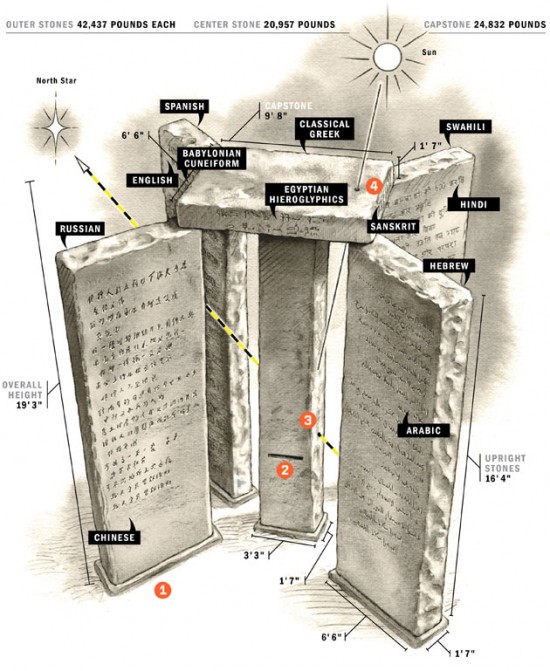
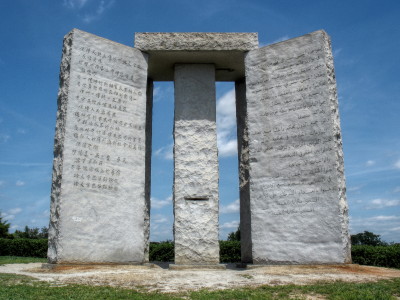
Georgia Guidestones


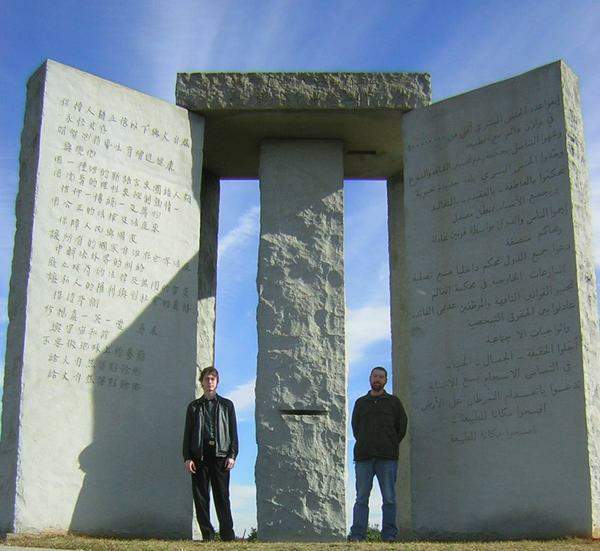
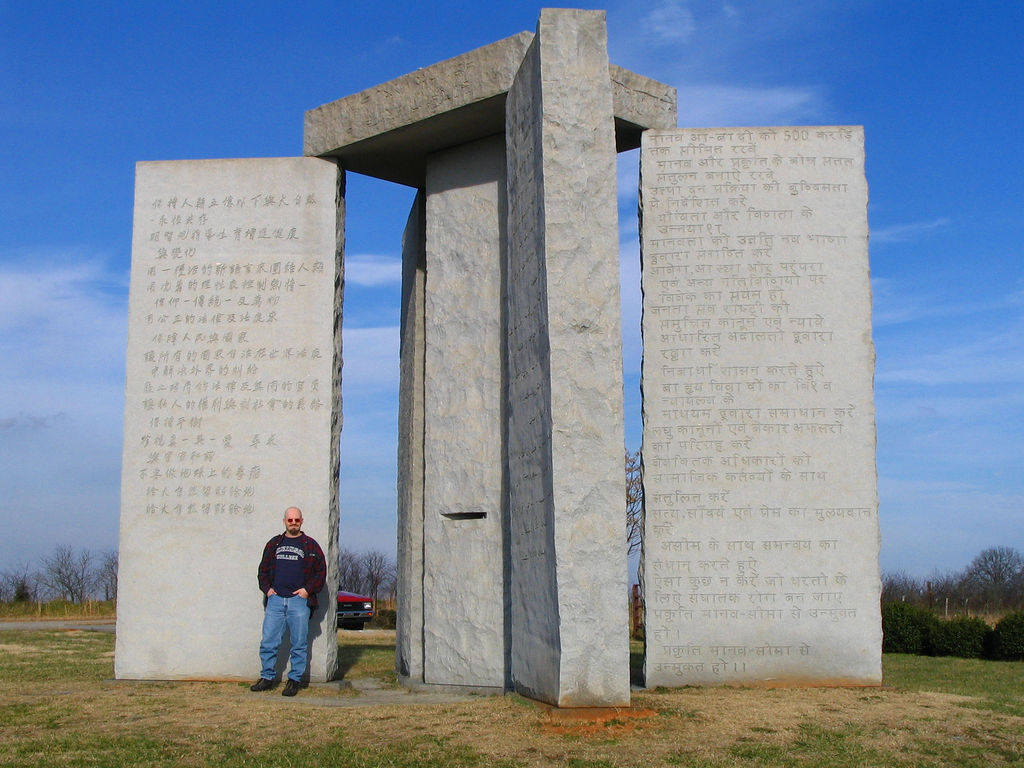
The Guidestones are no mystery for those who care to delve deep.
The Guidestones and their message was conceived by three eugenists friends using David Rockefeller money.
The three were; William Gates (father of Bill Gates), William Shockley (Nobel Proze winner and creator of the microprocessor) and Australian Nobel Virologist Sir Macfarlane Burnet, who was behind the CRISPR technology research that manipulated the Wuhan virus and the so called mRNA vaccines bioweapons. All three men were members of the London Eugenics Society, now known as the Guaultin Institute as the term eugenics is out of favour.
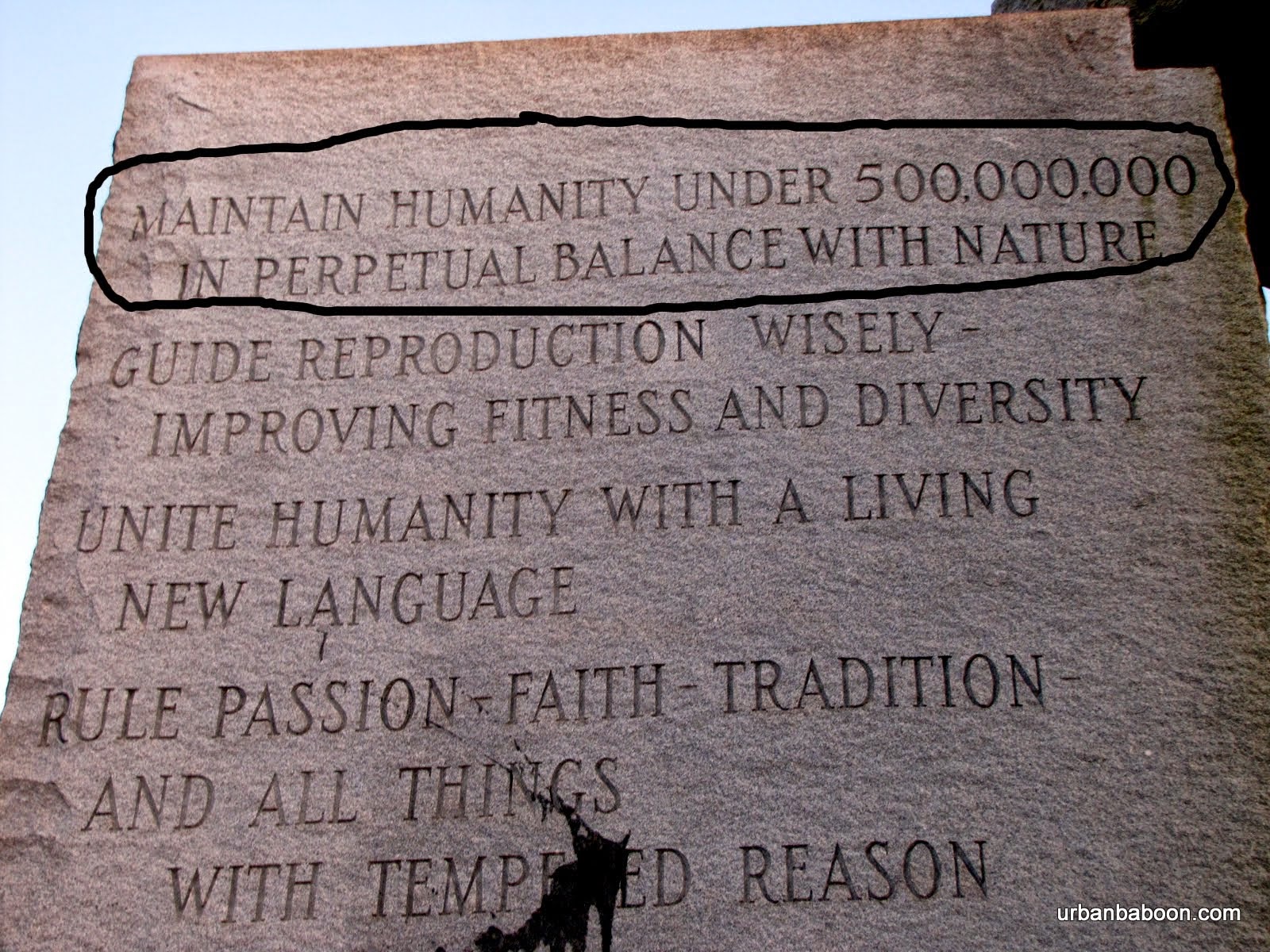
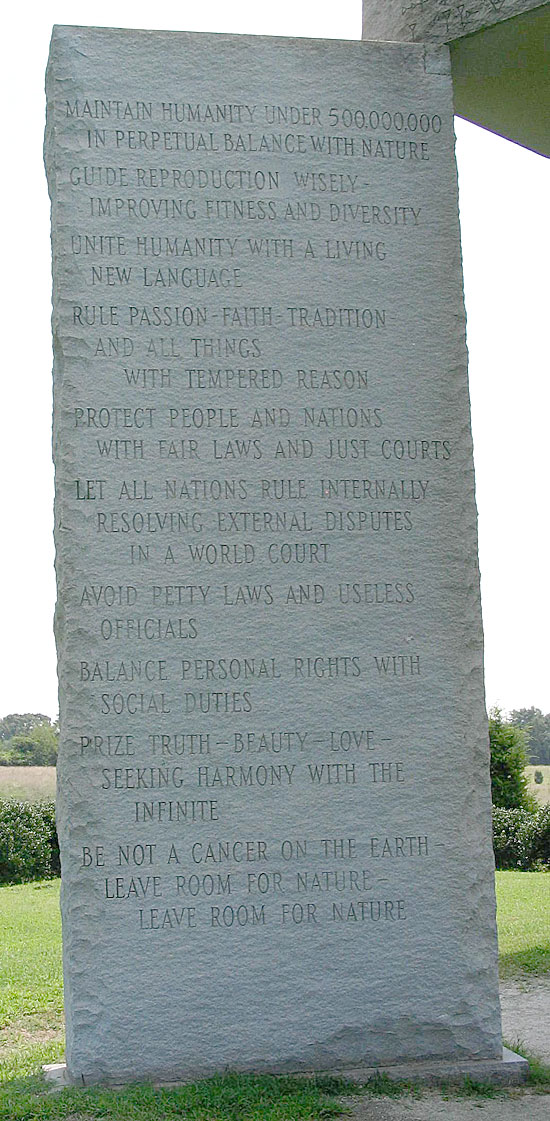
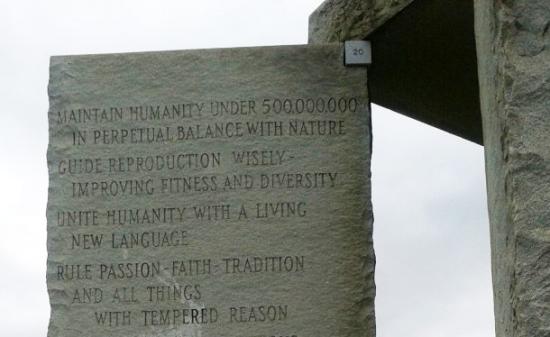
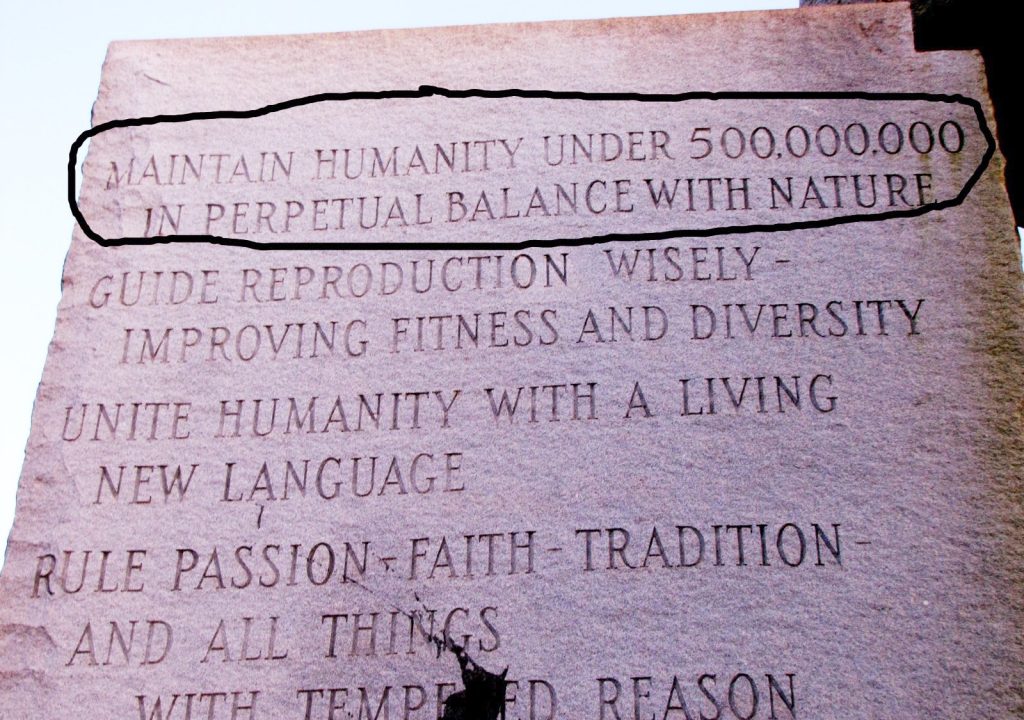
Sir Macfarlane Burnet authored the new Godless Ten Commandments on the 1980 constructed Guidestones. The ten tenets can be found in Burnet's 1978 highly controversial book, "Endurance of Life".
Burnet had once proposed to Australian, UK and US defence chiefs to unleash a Carona Virus on China. The Godless Fabian Sir Macfarlane Burnet was a friend of the eugenists Charles Darwin who was also a Godless eugenists.
Before his 1985 death from cancer, at eight five years old, Burnet had hand picked, and trained a protoge by the name of Sir Gustav Nossal. He's now in his nineties and still lives in Melbourne, Australia.
In the latenl 1990s and 2000s, Nossal went on to work at the W.H.O as paid agent of the Gates Foundation, which originally was set up by William Gates Snr, and later renamed the Bill and Melinda Gates Foundation. It was Nossal who captured the W.H.O for Gates. It is the W.H.O who is directing nations in lockstep using its 2008 International Health Regulations. All nations Health Officials are beholden to the W.H.O via UN agreements.
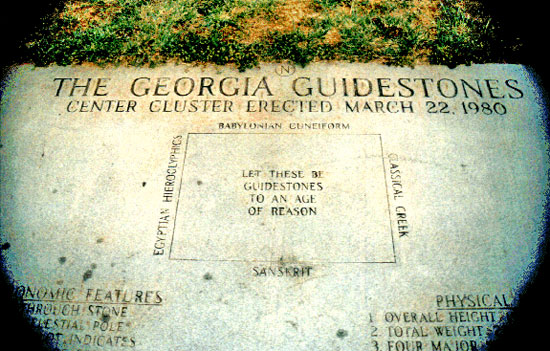
A friend of William Shockley, by the name of Dr Herbert Kersten, suraptiously organized the construction of the Guidestones having appointed an Elberton, Georgia bank manager to supervise the guidestones contractors, Martin and Joe Fendley. The two built the Guidestones doomsday monument featuring Sir Macfarlane Burnet's new Godless Ten Commandments for mankind.
Elberton was chosen as the location for logistics reason. It's the granite capital of the USA. Transporting intact four nineteen foot granite slabs across the USA was impractical.
The reason of the Guidestones is the 'Moral Directive' that humanity must be told of any orchestrated plans to be unleashed on mankind by elites or unseen forces. Our acquiesce is our consent.
It's evident the Guidestones were a doomsday message for today, conceived by three eugenists connected to world elites, who believe they know best for humanity and the planet. If you read the ten tenets they're largely population, social and environment focused. The philosophy is all in Macfarlane Burnets now rare 1978 book, of which I have a copy. I owned Burnet's study, where he wrote the book. I unwittingly bought his former Melbourne, Australia home in 2013 for $2.2 million.
The above is all documented. It's no theory and the Guidestones are no mystery for those who care to delve deep.



“Thou fool, that shall say: A Bible, we have got a Bible, and we need no more Bible.” (2 Nephi 29:6)
The Christian Mormons (Church of Jesus Christ of Latter-day Saints) say the Book of Mormon is the "Word of God."
Actually there are four books which are a record of God’s dealings with the inhabitants of ancient America from 2000 BC to 400 AD (The Book of Mormon: Another Testament of Jesus Christ, Doctrine and Covenants, The Pearl of Great Price, and the King James Version of the Bible).
They say the same thing about the Koran and the New Testament.
Introduction to Book of Mormon
Polygamy
Smith then proceeded to marry half a dozen women in 1843, yet he denied to the public that he practiced this polygamy. He had at least forty wives in his lifetime, some of whom were thirteen years old, and Brigham Young had fifty wives. Now, the modern view is that polygamy is unacceptable,
The Book
The Book of Mormon 2 (changed in more than 4,000 places since 1830),
Doctrine and Covenants, and the Pearl of Great Price ... is also the word of God.
Mormon belief contradicts Scripture, the Mormons say that particular part of Scripture is translated incorrectly, and that the correct translation is in one of the Mormon scriptures
Bible is considered usable, but suspect due to its many errors and missing parts" (Articles of Faith No. 8,Ensign, January 1989, pp. 25, 27).
An ngel named Moroni (pronounced ma-roe-nee) appeared to him in 1827 and told him of some golden plates hidden in a hillside near Palmyra, New York. From these plates, Smith supposedly translated the Book of Mormon. [Published in 1830, this was to become the first of many scriptures for the Mormon Church
Book of Mormon is a fraud, having been plagiarized from the Bible, from Shakespeare, from the pope's Essays on Man, from the Westminster Confession of Faith, and from other leading authors of the last few hundred years prior to Smith's death. Despite its plagiarisms, the Book of Mormon contradicts the Bible in hundreds of places (9/95, Maranatha Baptist Watchman)
Alma 5:52 is identical almost word-for-word to Matthew 3:10. Smith plagiarized 478 verses from the book of Isaiah, and 201 are identical to the King James Bible
Followers
The Church of Jesus Christ of Latter-Day Saints (with headquarters in Salt Lake City, Utah -- a state that is now 70% Mormon
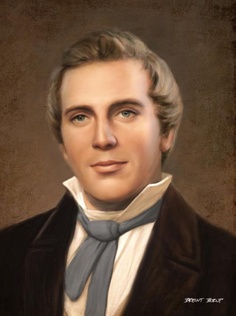
Founded in 1830 by Joseph Smith Jr. at age 25 (1805-1844).
5.2 million U.S., ranking it 5th among the largest 25 U.S. denominations, 2.5 million in 1970
claims about 11 million baptized members worldwide
last decade, nearly 300,000 individuals over the age of eight have joined the Mormon Church every year
Membership is expected to grow to over 23 million over the next two decades. It is growing fastest in Latin America and Asia.
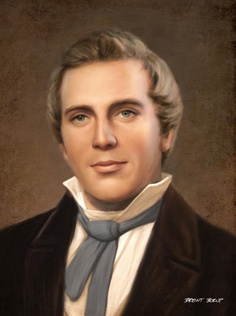
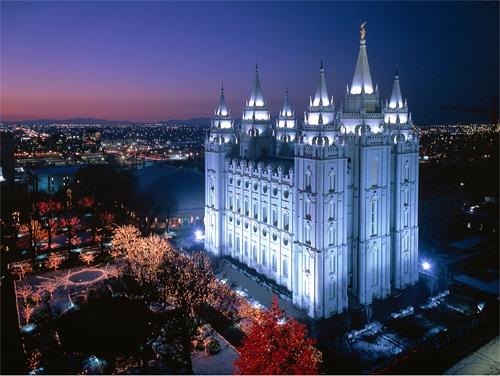

The Church of Jesus Christ of Latter-Day Saints (with headquarters in Salt Lake City, Utah — a state that is now is 70% Mormon. The Church was founded in 1830 by Joseph Smith Jr. (1805-1844)
In the last decade, nearly 300,000 individuals over the age of eight have joined the Mormon Church every year. Membership is expected to grow to over 23 million over the next two decades. The Mormon religion is growing fastest in Latin America and Asia.

Joseph Smith was given another and new and unique “Word of God,” different from the New Testament. Writings of the book were miraculously translated from an ancient record by Joseph Smith, Jr. by the “gift and power of God.” This ancient record was written on golden plates which had their location revealed to Joseph Smith, Jr. by an angel. Joseph Smith, Jr. translated the golden plates. He then gave them back to the angel, which has them in it’s “charge.” Well known Mormons have stated these plates lay buried within the famous hill located near the Smith home outside of Palmyra, New York. The famous hill is named Cumorah Hill (The Mormon Church owns the property). Today the plates are said to be lost.
Oliver Cowdery went with the Prophet Joseph when he deposited these plates. Joseph did not translate all of the plates; there was a portion of them sealed, which you can learn from the Book of Doctrine and Covenants. When Joseph got the plates, the angel instructed him to carry them back to the hill Cumorah, which he did. Oliver says that when Joseph and Oliver went there, the hill opened, and they walked into a cave, in which there was a large and spacious room. He says he did not think, at the time, whether they had the light of the sun or artificial light; but that it was just as light as day. They laid the plates on a table; it was a large table that stood in the room. Under this table there was a pile of plates as much as two feet high, and there were altogether in this room more plates than probably many wagon loads; they were piled up in the corners and along the walls. The first time they went there the sword of Laban hung upon the wall; but when they went there again it had been taken down and laid upon the table across the gold plates; it was unsheathed, and on it was written these words: ‘This sword will never be sheathed again until the kingdoms of this world become the kingdom of our God and his Christ’ (Journal of Discourses 19:38).
In the official Mormon authorized book History of the Church 1:53 states that it was only by prayer and faith that they were “able to obtain a view of them (the plates).”
I guess you need “prayer and faith” to see physical objects. And on page 55 it is clearly written that Joseph Smith himself has recorded that the plates were seen in a vision.
And of course, Joseph Smith, Jr. was murdered, along with his brother Hyrum Smith, both were killed by a mob in Carthage, Illinois, on June 27, 1844. The brothers had been in jail awaiting trial when an armed mob of about 200 men stormed the facility, their faces painted black with wet gunpowder.
Joseph Smith, as mayor of the town of Nauvoo, Illinois, had ordered the destruction of the facilities producing the Nauvoo Expositor, a newly established newspaper set up by a group of non-Mormons and people who had seceded from the church. The newspaper's first (and only) issue was deeply critical of Smith and other church leaders—reporting that Smith was practicing polygamy and claiming he intended to set himself up as a theocratic king. In response, Smith declared the paper a public nuisance and ordered its press destroyed.
The destruction of the press led to charges of riot against the Smith brothers and other members of the Nauvoo City Council. Warrants for his arrest were dismissed by Nauvoo courts. Joseph Smith declared martial law in Nauvoo and called on the Nauvoo Legion to protect Nauvoo. The brothers voluntarily traveled to the county seat at Carthage and surrendered to the authorities to face the charges. After surrendering, the brothers were also charged with treason against Illinois for declaring martial law. The brothers were in the Carthage jail awaiting trial when the mob attacked.

But the writings are not called the Book of Joseph Smith, Jr.. They are called the Book of Mormon. Who was Mormon? Mormon was a 4th-century prophet–historian who compiled and abridged many records of his ancestors into the Book of Mormon. In Mormon 1:5 Mormon identifies his lineage. He states that he is a descendant of Nephi and that his father’s name was Mormon. But in Third Nephi 5:12, Mormon states that he was not named after his father, but was named after the land in which a great event took place—the restoration of Christ’s covenant people, Christ’s church.
“And behold, I am called Mormon, being called after the land of Mormon,
The land in which Alma did establish the church among this people:
Yea, the first church which was established among them after their transgression.”
Third Nephi 5:12
The Book of Mormon is about pre-Columbus civilizations in the Americas from approximately 2600 BC through AD 420, It is said to be written by prophets and followers of Jesus Christ. The book records the teachings of Jesus Christ to the people in the Americas as well as Christ’s personal ministry among the people of Nephi after his resurrection
Mormons believe that the universe is inhabited by many gods who produce spirit children. Joseph Smith declared,
“I will preach on the plurality of Gods. I have always declared God to be a distinct personage, Jesus Christ a separate and distinct personage from God the Father, and the Holy Ghost was a distinct personage and a Spirit: and these three constitute three distinct personages and three Gods” Teachings of the Prophet Joseph Smith, p. 370
Mormon Apostle Bruce R. McConkie spoke about gods, quote,
“Plurality of Gods: Three separate personages: Father, Son, and Holy Ghost, comprise the Godhead. As each of these persons is a God, it is evident, from this standpoint alone, that a plurality of Gods exists. To us, speaking in the proper finite sense, these three are the only Gods we worship. But in addition there is an infinite number of holy personages, drawn from worlds without number, who have passed on to exaltation and are thus gods” Mormon Doctrine, pp. 576-577
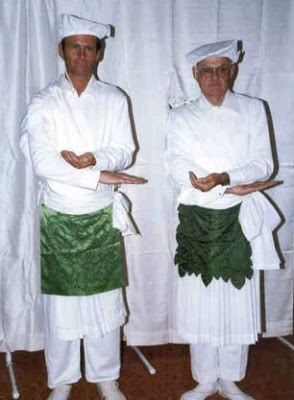

Mormon secret ceremony

Jesus Christ in America
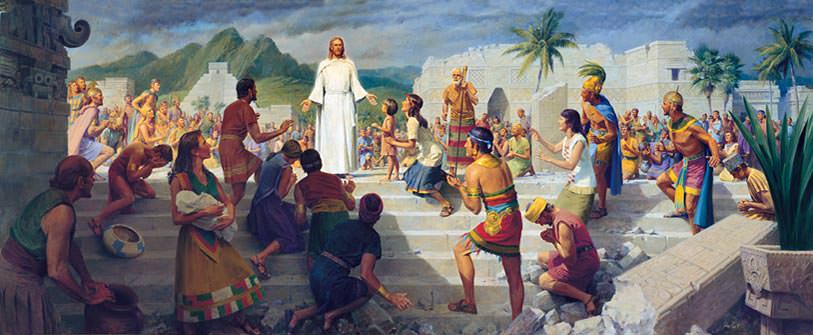
The Crusades were military campaigns sanctioned by the Latin Roman Catholic Church during the High Middle Ages and Late Middle Ages. In 1095, Pope Urban II proclaimed the First Crusade with the stated goal of restoring Christian access to holy places in and near Jerusalem.
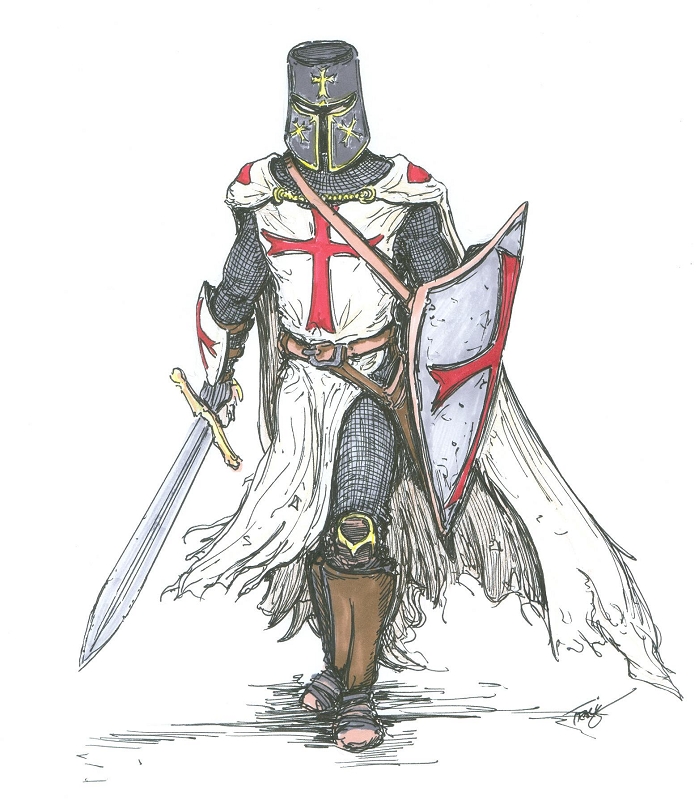
The Knights Templar trace their origin back to shortly after the First Crusade. Around 1119, a French nobleman from the Champagne region, Hugues de Payens, collected eight of his knighted relatives including Godfrey de Saint-Omer, and began the Order, their stated mission to protect pilgrims on their journey to visit the Holy Places.
These quoted events called miracles transcend human powers and even the laws of nature proving a divine origin. These miracles that a character in a novel “man of God” alleges happened are given as the proof that whatever is told to a person is the “God’s truth” and that you must believe and act on whatever the priest/preacher/“man of God” tells you to do.
To give a written document super credibility so that people will blindly follow it, the document must look as if a miracle has happened. By someone saying God wrote this book, people listening and blindly believing will give the book total credibility. But God isn’t physical so a miraculous explanation is in order. God influenced special holy and devout men, men of God, and had them write the words he wanted written. Thus these writings become the absolute truth. And they just don’t call it the Bible. They call it the Holy Bible to give the illusion that it is so spectacular because “God” wrote it. Each sentence in the book is so precious that these verses must be marked with numbers for reference for others to find. The actual writings must be magnified and glorified to give the illusion they are such magnificent writings that only God could have made them. Yet the New Testament is the most self-contradicting, falsified, misrepresented, grossly imaginative, and nonsensical book on the planet. But because people have accepted that it is the “Word of God” they try to justify it even to the point of looking totally and utterly ridiculous. God is not that stupid to write a book like that. Saying it is the word of God is an insult to God. “Thou shall not take the name of the Lord your God in vain,” christian.
Believe what I say and don’t think about what I say. No one would enter into a business transaction if someone told them that. But heaven and eternal life is offered to the “dummy” if they just believe and don’t think and don’t think, and don’t think about it. Also the person will be offered group acceptance after he or she agrees to blindly believe with no proof offered.
Jesus is “God in the Flesh.” By making God a Hero by being a real person it personifies something that people can relate to. They can say your Gods are myths, my God is real. He revealed himself on our human level. Isn’t one of the commandments, “Thou shall not take the name of the Lord your God in vain,” christian.
The other religions that claimed their God was incarnate, like Krishna, and this attracts followers and establishes itself as a religion for centuries. It is essential to historicize the myth. Christianity represents that it can prove what happened. However they can’t. There is nothing written by the 40 plus known and respected historians of that time and the over 200 known authors of that time. The churches and holy places were established 300 years after the death date of Jesus. And Jesus would have no place in theology as Paul admits if it was not said that Jesus miraculously arose from the dead. As Paul said, “If Christ has not been raised, your faith is in vain” Corinthians 15:17.
You owe a lot to this person who died for something wrong that YOU did. You should be grateful and show your appreciation by believing and doing whatever the priest/preacher says what to believe in and what to do.
The ultimate in a woman. Every man wants to marry a virgin. This means that she has been virtuous and not screwed around with other men. It means she has chosen the man husband as the only man she wants. It means you can trust her after marriage not to be interested in other men. Mary is so virtuous that God the Father chose her above all other women to impregnate her and to have her give birth God’s only ever offspring, himself. What a quality woman, every man’s dream come true. Mary is depicted as the “Mother of God.” But wait a minute, God created her, how can she be the mother of God? And wasn’t Mary married at the time God impregnated her??? That means God committed adultery!!!
Well let’s say that she gave birth to God number 2, and call him a son of God number 1. And then let’s say there are three Gods in one God and call the three Gods the Trinity. When people ask the leaders what does that mean, they will just tell them that it is a mystery. That way the priests can present it as if it were a fact instead of lunatic psycho babble.
By a priest having you call him “Father” he is saying, “I am your psychological security.” A person is psychologically and emotionally bound to their father. He can be trusted and will always be understanding and guide them in the correct direction. So the priest want to impose himself upon that person to obtain a psychological advantage. That is, if you say you believe in his dumb religion story.
Water rejuvenates the planet. It cleans dirt off of the body. Baptism is the perfect symbol of changing a person for the better. The Catholic Church get the parents of a newly born to baptize their infants so that the church can now claim the child is Catholic for the rest of its life. The Church claim that once you are baptized a Catholic you are always a Catholic no matter what you decide later on in your life. Catholic parents and other Catholics wholeheartedly subscribe to this dictate.
This ceremony is called a sacrament. A sacrament is a super holy event. This ceremony is all about confirming that the child has chosen to be a Catholic. The ceremony is administered to a child of about 7 years old, the age of “discretion.” At seven years old the child has no idea what the world is about and certainly has no choice in deciding what religion to choose. The parents make a big celebration and a big meal afterwards with friends to cement the conditioning that the child is a Catholic.
The very holy and miraculous Priest says, “I have the power to make this wafer into God.” He does a special ceremony, then the “Host’, a piece of thin flat cracker, now is God! The priest now says, “Eat my special potion wafer. It will make you holy, a little like God himself.” You will be superior and more “graceful” than other people who don’t eat it.
Communion is called a sacrament or a super holy event. It is often called “Holy Communion.” The “First communion” is given to a child around 7 years of age. It is a special celebration event. The parents act like the child has done a great accomplishment after receiving communion for the first time. The parents also have a big festive meal with friends and relatives to cement the conditioning of the child that he is a “Catholic.”
You can have your guilt removed entirely for that evil thing you did by the priest of the Catholic Church. The priest says “I have the power to remove your sins you have committed and it will be as if you never committed them.” No more guilt. And in the future you can do what is a sin as long as you go to confession later to erase your actions.
Because you believe what I want you to, you are a very special person. At any time in the future there will be an unexpected event happen. This event was said would happen by God. A miracle will happen where I will leave this earth in an instant and go straight to heaven. All the other bad people will be left on earth. So, you have to believe what I tell you otherwise this miraculous event will not happen to you, and you will be one of the left on earth ones.
Someday soon I, because I’m special and you are not (I’m saved), will be taken away from this terrible place by my Hero big brother, and you will be still here to bask in huge evil that will come because you didn’t believe the fantasy that I did.
You were bad from the day you were born. Your ancestors made you have a debt of badness.
Anyone contradicting the establishment religion is an evil person, or anything bad that happens is because of some bad being that caused it.
Fire, burning pain for an eternity, never ever to regain normalcy.
A mortal sin is the worst sin you could do. Murder is a mortal sin for example. If you die with a mortal sin on your soul then you go straight to Hell. But, if you confess your mortal sin before you die, the priest will give your prayers to say to erase the sin. So if you die after your confession then your soul will be clean and you will not go to Hell.
It just so happens that the Catholic church has a very strict rule of attending the church mass every Sunday. Not attending just once is a such a severe act that the church says it is so severe a wrong that it is a mortal sin. If you don’t go to church on Sunday and you die on Monday and didn’t go to confession and tell the priest that you sinned by not going to mass on Sunday, then you had a mortal sin on your soul when you died and will go straight to hell for eternity.
A place you go where you burn for a while because you know you did bad things but not as bad as the judgment of eternity of hell. You have hope knowing that someday your punishment will end and then you will go to heaven.
The place of infinite peace and happiness for an eternity. All your wants and desires fulfilled.
No preacher is ever preaching the history of Christianity (the love thy brother sect).
Stimulus used is the fear of the devil and the fear of hell (in addition to the already existing fear of death).
These fears were huge before science and technology and rational thinking.
Preachers openly terrorize people with the doctrine of the devil and hell for eternity.
They direct this to the nonbeliever giving an ultimatum, believe and accept or burn for eternity never to come back.
Sadistic portraits of suffering and pain. And this all happens after the feared act of dying alleging that it won’t be something to fear. This is directed not to logic but to fear and cowardice of future gross consequences. The carrot is acceptance of the group and the result is the respect given by others as they now count you as one of the group.
Repeat a number of sentences over and over and eventually it will seem as if it were true.
You will be idol worshiped by all. You will have a special place in Heaven. You will have a perpetual exalted ego.
UNDERGROUND
In 2018, William, a thoughtful, handsome guy in his late twenties with an eye for design and architecture, took a train up from his home in Baltimore to New York to meet a man he’d been chatting with online for a few months. They had dinner, checked into a hotel near Times Square with a nice view of the Hudson River, and got all showered up and clean. Then, the man placed a restrictive band around William’s genitals and injected them with lidocaine. Once William was fully numb, the man sliced open his scrotum, cut off one of his testicles, and cauterized the testicular artery. He would have cut out William’s remaining testicle as well, but his cauterizing tool died. So, he sutured William up instead.
This is not a horror story of an internet date gone Lifetime original movie-level wrong. The man William met was a cutter, someone who does underground surgeries on people who want to modify or remove part or all of their genitals. He had, to William’s knowledge, cut off over a dozen men’s testicles by that point, with few if any complications. William, who learned at 17 that he was born with XXY chromosomes and has intersex characteristics, identifies as a gender neutrois male, a non-binary identity, and uses he/him pronouns. He wanted this cutter to help him start a physical transition to align his body with this identity, a process he hopes will eventually leave him with a fully smooth groin.
Cutters have made sensationalist headlines on and off over the last 20 years, usually when people who sought them out turn up bloody in emergency rooms and lead authorities back to the sites of their underground operations. Just a couple of months ago, police in rural Oklahoma arrested two men for allegedly performing surgery without a license on a 28-year-old who nearly bled out during a testicle removal in their remote cabin. These stories are often chock-full of sensationalist details of alleged sadomasochist torture, jars of preserved gonads, and cannibalistic inclinations. They paint cutters as splatter movie villains—as rare psychopaths preying on vulnerable youths.
But the world of cutters, and the people who seek them out, is far more expansive and complex than that image lets on. If you know where to look—on a few select castration-focused forums like Eunuch Maker, and within some private encrypted messaging channels, for example—you can find a fair number of cutters active across the globe. Based on his own hunt for a cutter, William estimates “that there are at least a few in each state” in the U.S. alone. Many appear to fly under the radar of law enforcement officials in part because a fair number of their operations are at least successful enough to avoid the sorts of shitshows that make the news, and in part because when things do go wrong their clients make up cover stories for their injuries.
Some even continue to patronize cutters after mishaps—like William. His scrotum became infected after his hotel surgery, landing him in an emergency room on antibiotics. Yet within a matter of weeks, he went back to the same cutter to try to get his remaining testicle removed.
I have certainly noticed an uptick in the pursuit of castration by young men in recent years.
— Rev. Brother Shawn Francis Benedict, a voluntary eunuch
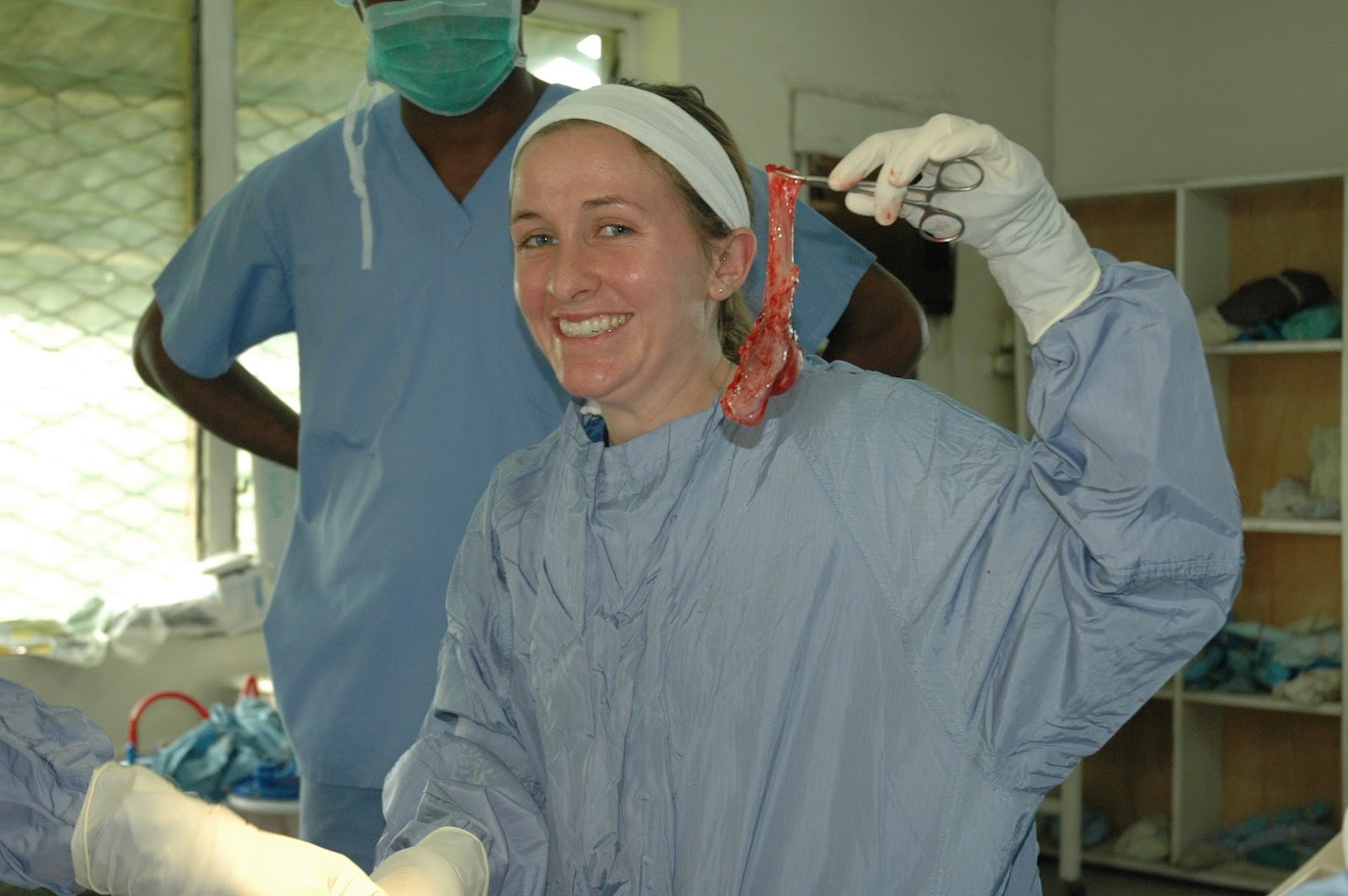
No one has, seriously studied cutters, or people’s willingness to seek them out and cover for them despite mishaps and horror stories. However, according to several experts on gender diversity and surgeries, and to a handful of people who have pursued the kind of services cutters offer, whom The Daily Beast consulted for this article, cutters’ operations do not reflect some kind of collective pathology. Nor do they merit tabloid melodrama or major legal crackdowns. Instead, they are largely the result of society’s failure to fully acknowledge, truly respect, and adequately serve deeply marginalized gender identities.
Thanks to a rising—if piecemeal and still woefully insufficient—tide of awareness, most people today know at least the basics about binary transgender identities (i.e., male-to-female and female-to-male) and the surgeries that many, though not all, binary trans people pursue as part of their transitions. But most talk about gender still treats it solely as a binary, male or female, and involves cut-and-dry ideas about the physical traits associated with each of those labels. Even among medical experts, awareness of non-binary identities, which sit between, blend, or move beyond conceptions of male and female gender, remains low. There is also little awareness of people who still identify wholly with the gender they were assigned at birth, male or female, but for any number of reasons feel a deep need to remove some or all of their physical sex traits for a range of reasons including body integrity dysphoria; a profound discomfort with the sexual side of their being; or pure, intangible personal preference.
People’s own diverse and often idiosyncratic experiences and conceptualizations of gender can lead them to pursue surgeries that go far beyond the “traditional,” gender binary trans trajectories we most often see in the media today. Many, like William, want what they refer to as nulloplasty, a series of surgeries that will leave them with no sex traits whatsoever—and sometimes no nipples as well. Some people born with penises and testicles want to keep the former, but lose the latter—though some choose to keep their empty scrotums. (There is a dedicated Reddit forum for the latter group to share photos of their genitals: Empty Sacks, “for those who had the balls to give theirs up.”) Others want to keep the genitalia they were born with and add new genitalia on top.
In line with their diverse gender identities and surgical desires, and ever-evolving gender vocabulary, there is no set or singular term, or set of pronouns, for these individuals—not even an umbrella term. Some identify as non-binary trans people, or as gender non-conforming trans men or women. Others identify as non-binary but not trans. A fair number still consider themselves cis binary men or women even after having all of their genitalia removed. A few talk about their surgeries as purely cosmetic body modifications, unrelated to their gender identities—like tattoos or piercings, albeit more extreme. Even two people pursuing the same surgeries for the same broad reasons may use different self-identifiers and pronouns.
“Surgery on genitalia has been done for thousands of years,” Loren Schechter, a leading gender confirmation surgeon based just outside of Chicago, told The Daily Beast, whether for medical or ritual reasons or as part of other cultures’ recognition of gender identities and experiences that are not part of the modern, Western mainstream. So, doctors know how to safely perform many of the procedures that gender diverse individuals seek.
A medical illustration by Sharaf ad-Din depicting an operation for castration, c. 1466
“An orchiectomy [or tactical excision of one or both testicles] can be done as an out-patient procedure,” said Richard Wassersug, a gender and health care researcher at the University of British Columbia with an apparent penchant for bow-ties and exacting academic precision. He was himself chemically castrated over 20 years ago to treat his prostate cancer and later chose to embrace a eunuch identity in order to help push back on the isolation and shame many castrated men feel in a society that thinks of eunuchs as historical oddities, if it thinks of them at all. (He also identifies as a cis man, though not all eunuchs do.) Now, he studies the lives of the hundreds of thousands of people born with testicles who undergo chemical or physical castrations for medical or voluntary reasons, and advocates for “these men to get the best health care possible.”
The risk of something going wrong is extremely high… I also don’t wish to look like Frankenstein.
— William, a voluntary eunuch who has also considered a penectomy
In recent years, a handful of clinics in America, Mexico, and a few other countries have started to offer diverse combinations of or variations on these surgeries to people of most, if not all, gender identities. These clinics remain scarce and often expensive, though, and thus inaccessible to the seemingly ever-growing number of people seeking their services.
But just two decades ago “even doing what’s now considered traditional binary gender surgery was quite difficult,” noted Schechter, thanks to high bias and low awareness among doctors and medical institutions. There was even less comfort with people who wanted anything else, and little literature or standard protocol on how to do so. A few surgeons, most notably Felix Spector, a Philadelphian who earned a reputation for offering clandestine abortions to patients in need in the 1940s, offered at least cheap and easy orchiectomies to people who weren’t specifically seeking trans surgeries in the late 20th century. By the end of his career in 2002, that was about half of his work. However, these surgeons faced intense scrutiny and official sanctions for their trouble. Most doctors told patients who came to them asking for non-standard gender surgeries that they were clearly mentally ill, and that no doctor would ever consider removing healthy tissue for someone who wasn’t trans.
“I was told it was medically illegal, both in the U.S. and in Canada,” said Rev. Brother Shawn Francis Benedict, a self-identified voluntary eunuch cis man who started seeking a physical castration in the ‘80s.
Benedict has tried to be out and open about his identity for a couple decades now to help gender non-confirming people of all stripes find community and support. He’s fairly unique in that openness. Most eunuchs never discuss their surgeries, and even those who do not identify as cis men often choose to pass as male in their everyday lives to avoid stigmatization. He leads the queer-affirming Ray of Hope Church in Elmira, New York, and advances queer readings of the Bible from the pulpit. Or, as he put it: “I work tirelessly to expose the false assumptions of the ‘religionists’ in the church world by communicating the now very large theological school of thought that finds no condemnation of any person of any sexual orientation or gender in the Bible.”
“I have found hundreds of books on the existence of castration, eunuchs, and other identities from every culture, every age, even every religion,” he asserted. “The only thing exceptional and weird about them is to be so uneducated to think that they are exceptional or weird.”
A Cult of Cybele castration clamp from Ancient Rome.
Into the ‘90s and early 2000s, Benedict added, “If a person called a doctor to ask about, for example, keeping their penis and putting a vagina in behind it, that was an absolute hang-up-the-phone-on-you request.”
A few individuals have historically gotten around this by pretending that they were starting a more traditional and established binary transition, then selectively engaging with the process to achieve their desired results. But this process is often confusing, degrading, or just plain infuriating.
So, for lack of direct medical acknowledgment or aid, over the years many people have tried to remove their own testicles. Far fewer have attempted to remove their own scrotums or penises, or to modify their vulvas, as these surgeries can be far more complex and dangerous to pursue alone. But this does happen, too. Zach, a cis male who is comfortable with the gender he was assigned at birth, cut off his own glans about two years back with some lidocaine to numb his member, a sharp blade to make a cut, and rapid blood clotting agents, sterilizing gauze, and surgical staples to stop the ample bleeding and close the wound. He now regularly posts pictures of his anatomy on NSFW forums online, and seems to delight in people’s shock and fascination, sharing basic information about the procedure with those, like The Daily Beast, who ask.
Many more have attempted to do enough damage to their genitals, whether by cutting off blood flow to them long enough to kill tissue, injecting chemicals into them, or other forms of trauma, to allow them to go to an emergency room, spin some tale about a bizarre accident or kinky sex gone wrong, and functionally force doctors to safely remove offending parts. “If I ever wanted to go beyond what I can do myself, and get a total penectomy, I would be able to get it relatively easily from a medical professional, due to what I’ve already done,” Zach told The Daily Beast.
Drastic and brutal as this may seem to outsiders, it is rarely a rash decision. Most people The Daily Beast spoke to said that, in their experience, those who take action usually only do so after decades of self-examination and efforts to weigh out options. Zach, for one, has said that he’d wanted to do something like his glansectomy since he was about 13—it just felt like a deep-seated, core desire—but waited until well into his adulthood to act. That lines up with Wassersug’s research on voluntary eunuchs, who have diverse gender identities and some of whom go on to pursue other procedures, like full genital removal. In one survey, he found that these individuals waited 18 years on average between deciding they wanted a castration and taking any kind of action.
An erection in your sleep could easily lead to death by blood loss, and the threat of an infection is ever-present
— Zach, who has performed self-surgery
“In one of our studies, we quoted a person who said he knew by age 6 that he needed to be castrated,” said Thomas Johnson, an anthropologist who often collaborates with Wassersug. That child waited until he was in his thirties to pursue any kind of surgery. Johnson has extensive notes from interviews he’s conducted with numerous voluntary eunuchs. However, he said that academics rarely share such works on marginalized gender communities with journalists because they worry about the potential negative effects of “writings that describe them as ‘freaks.’”
Even people who make attempts much faster, and at younger ages, often do not actually show any signs of mental illness, and do not regret their decisions. “I interviewed one man who made a serious attempt at age 12,” Johnson recalled. “He was stopped only by the pain and the blood—and his mother unexpectedly walking into his room. He then went into two years of psychiatric counseling, but managed to arrange a proper surgery just after his 18th birthday. That was nearly 20 years ago. He is still happy with his choice. His only regret is that he failed at 12.”
But self-surgery is incredibly dangerous, not to mention painful, especially when done alone by someone with no prior experience or training. “The potential for shock, or making an error in the heat of the moment… accidentally not following sanitary procedures, not being able to close the wound due to fainting, and so on, is huge,” said Zach. “The healing processes can frankly be equally or more dangerous than actual cuttings, especially for penile procedures. An erection in your sleep could easily lead to death by blood loss, and the threat of an infection is ever-present.”
That is why many people, either after a failed self-surgery attempt or from the get-go, seek out cutters. It’s hard to say exactly how many cutters exist, or how active they are, in part because these individuals are, by legal and social necessity, extremely secretive, and in part because we don’t know how much demand exists for their services. Wassersug, for example, estimates that there are about 8,000 voluntary eunuchs in North America alone, and that over half of them practiced DIY surgeries or cutters’ services. These numbers could be off, as they’re just a best guess based on the communities Wassersug has access to. They don’t include people who have pursued cutters’ services but don’t identify or interact with the eunuch communities that Wassersug studies. And they don’t tell us anything about people who are still just considering going to a cutter. Still, we know enough to say cutter supply and demand are clearly non-negligible.
“I understand the choice to seek” cutters, said Schechter, who often seems to take a humble and empathetic perspective on these matters, in line with his self-proclaimed devotion to the development of a less paternalistic and judgmental medical culture. “The medical community has not always been an easy venue for people to express their identities and desires.”
Historically, people found cutters via contact networks embedded in extreme body modification or BDSM groups, or sympathetic doctors working off the books. (The Body Modification Ezine, an early online community, actually gave many people their first look at genital modifications or removals and led them to believe the thing they wanted might actually be attainable. It still hosts many images of castrations, penectomies, and other genital surgeries, as well as old interviews with cutters.) Later, chat rooms associated with these communities, and eunuch forums, became major cutter hubs.
Steve, a middle-aged cis man who’s fairly private about the details of his procedure, told The Daily Beast his journey to a cutter started after a partner took him to ModCon, an American body modification convention, in 1991 and introduced him to friends of friends. They eventually led him to a New York doctor who arranged an expensive trip to a hospital in Mexico where a doctor was willing to do a no-questions-asked, cash-up-front castration in a clinic—a common arrangement. But the procedure didn’t go well. A second trip through this network brought him to a hospital in Thailand. (Mexico and Thailand have both been hot spots for quick-and-easy but largely unregulated clinical castrations, penectomies, and similar procedures for at least a couple of decades now.) But he got too sick while there to go through with the surgery. Finally, the modification community connected him to a Canadian cutter who fully castrated him.
Many of the cutters Steve has encountered since then are, to his knowledge, medically trained, albeit only some as surgeons. A few are actually veterinarians. But William notes that a fair number are not medical experts. He’s encountered some who work in government services, some who work in banking, some who work in manufacturing. Still, they want to help—in more than a few cases because they received operations from cutters that they deeply valued. So, they study surgery as best as they can. William’s cutter told him in detail about the books he’d read and his “practice with suturing the skin back onto grapes, which requires fine stitch work.” Some cutters even offer to do procedures for free, so long as clients can buy and bring key medical supplies.
Cautious and conscientious cutters refuse to perform complicated procedures—which is why most of them only do testicle removals—and take pains to try to make sure their patients know what they’re stepping into and stay safe. Few people would seek out cutters for more complicated or risky surgeries, like penectomies, anyway.
“The risk of something going wrong is extremely high,” said William of his decision not to pursue a penectomy with a cutter. “I also don’t wish to look like Frankenstein at the end of the procedure,” with uneven flesh or highly visible scarring.
William’s cutter repeatedly talked through the details of his hotel orchiectomy and its potential implications with him, he said, right up until he was ready to make his incision. Then, the man monitored him for 48 hours after, ready with a plan to get him to an emergency room ASAP.
Planning for emergencies often involves formulating a careful cover story for one’s injury, or resolving to claim it was a DIY attempt, noted Steve, who’s seen a number of these arrangements play out in the past in communities he’s been involved with. (Some of these cover stories truck in sensationalism as well, spinning tales of sadistic kidnappers and torture. This may help people get sympathetic treatment in the short run, but it risks contributing to the popular stigmatization of queer and kink communities overall in the long run.) He stressed that he and others feel a deep sense of duty to protect the people who helped them feel whole and right in their bodies.
“Even if I was hard-pressed under oath, I couldn’t even begin to give people’s names to the authorities,” he said. “Because I never knew anyone’s names—if you understand what I mean.”
In any underground ecosystem, however, opacity and fragmentation creates a fertile space for over-promising amateurs and abusive creeps. Some just want to cause others pain—they may even find non-consensual sadism erotic. A notorious nullo man who goes by Gelding, a greyed yet still strapping bear who’s posted many nude photos online, has talked in the past about how he will only assist cutters, never performing procedures himself, because he does not trust his own motives, a bifurcated desire to help and to get off on the experience. The internet unfortunately makes it easier for people to meet random self-identified cutters on forums, rather than through established and verified contact networks, and work with them with little vetting.
Whether one ends up with a well-intentioned and trained cutter, or a bad actor looking to cause pain, medical experts stress that working with cutters instead of licensed professionals always carries a risk. They know that some feel they need to take the risk—and think it is tragic.
Over the last five years or so, Schechter notes, the field of gender surgery “has expanded our thinking beyond the gender binary.” Doctors have developed new guidelines for working with people with diverse gender identities and surgical desires, which, as Schechter put it, “place a greater importance on body autonomy and self-decision.” This shift opens experts up to diverse requests without making patients prove, over years of therapy, that they fit an established identity box, just so long as they can show they fully understand the long-term ramifications of the procedures they’re asking for. Well over a dozen gender surgery practices in America alone now openly advertise their openness to doing all sorts of surgeries; running lists of these practices on eunuch and non-binary forums grow by the year.
“It’s nowhere near as weird and difficult to try to become a eunuch now as it was 30 years ago,” said Benedict, the castrated reverend. “Now, we have doctors who don’t even blink when you say you want to just remove your testicles, or just add a vagina. I never saw this coming.”
“I have certainly noticed an uptick in the pursuit of castration by young men in recent years,” he added, an observation that aligns with Wassersug’s findings that more “eunuch wannabes,” as he calls them, would pursue the process if it were cheaper and easier to access safely, in a clinic.
Everyone The Daily Beast spoke to for this story agreed that the greater availability of open and official care—far more than horror stories and crackdowns—has led to a drastic decline in demand for cutters, which means there are now fewer of them practicing than there were five or ten years ago. Even many forums where people used to solicit and chat with cutters, like Eunuch Archive, a major hub for people interested in voluntary castrations, now tightly police those posts and conversations, and redirect people towards licensed experts.
“At this point, cutters have been relegated to obscure forums on the deep web,” said Zach. Talks with them usually unfold only in the privacy of the most encrypted messaging platforms.
What is important is that we have accurate information in the media about eunuchs and nullos rather than the look at the freaks sentiment.
— Thomas Johnson, anthropologist who has interviewed many voluntary eunuchs
However, knowledge of new guidelines remains low and gender-aware support services for folks with less traditional surgical needs will take time to scale up, said Daniel Dugi, a gender surgeon in Portland, Oregon, who just started working beyond the world of binary trans surgeries this year. Far too many medical experts still tend to read people who are not binary trans but want to remove part or all of their genitals as mentally ill and to recommend institutionalization, noted Johnson.
Most surgeons who do more diverse procedures are still clustered in a few major urban centers, and the procedures, which can run upwards of $10,000, are not covered by most insurers. Even when they are, or when people pursue cheaper surgeries at clinics in Mexico and beyond, the costs associated with travel and recovery care can be too high for individuals living with limited means. Gender minorities are often economically and socially marginalized.
Wider lingering social stigmas against gender diversity also makes it difficult for many people to pursue official treatments, for fear of folks in their lives who they are not out to, and don’t want to come out to, figuring out what they’re doing. Even people who are secure in their identities and out to their friends may carry traumatic memories of their experiences with the medical system in the past. So, not everyone who can access legit surgery in theory really can in practice.
All of these limitations mean that, even if their ranks are declining, there is still an unfortunate need for cutters in the world. “I just talked to a man weeks ago through Eunuch Maker,” Benedict told The Daily Beast. “He lives in a red state, where health care is still not widely available. He just met a cutter in a trailer in Oklahoma… It’s just so unnecessary now, and so terrible. And yet… it is still necessary, because of the context in areas like that.”
“Regardless of how much progress we do eventually make in providing people access to quality health care,” William added, “some people will still seek out cutters” for more personal reasons.
Simply put, a number of people who seek genital modifications or removals want the experience to be erotic and intimate—a kinky, sexual experience. In fact, Zach says the only cutter he’s ever spoken to who claims to have done a full at-home penectomy “was an older man who did it to his partner about a decade ago” as part of a BDSM power play body modification dynamic.
Schechter acknowledged the potential legitimacy of this desire, while cautioning against pursuing it because of all the ways that non-professional surgeries can go wrong. But he did not have a clear idea of how to work with this sort of desire within an official medical context—how to bring these cutter users into the clinic.
However, overall Schechter believes that the existence of cutters speaks to a core reality: “People need care. And in desperate circumstances, to get that care, they may do desperate things.”
So, people active in this world argue, if tales of cutters slicing into scrotums in backwoods cabins make us uncomfortable, we shouldn’t gawp and call for major crackdowns on what may seem like unhinged predators from the outside. That sort of sensationalism only hurts the people who seek them out, they explain, as it drives cutters even further underground, making it harder to vet their knowledge and intentions, and casts the people who seek them out for lack of other care options as unhinged.
“What is important is that we have accurate information in the media about eunuchs, nullos, and other people” who go to cutters, Johnson argued, “rather than the look at the freaks sentiment that appears in nearly all popular depictions of these people and situations.” We need to fully understand and respect why people make the choices they do, and deliver the support they need.
Even more important, William said, is building a world where people “have complete control of their bodies, no matter how radical the procedures they seek or need may seem to someone else.”
A world without cutter horror stories is, simply, a world where it is safe to be whoever we are.
The names of William, Zach, and Steve were changed in order to protect their privacy.